The Updated Guide for Cross-Training Shoes

Updated: Feb 3
If you're into cross-training, you know it’s a mix of lifting, cardio, and agility. Using the wrong shoes is like building on a shaky foundation, it’s unsafe and ineffective. The Guide for Cross-Training Shoes is your blueprint for finding the perfect pair of shoes for cross-training, ensuring every jump, lift, and sprint is both effective and safe. Ok, let's get you set up.
In This Guide
Understanding Cross-Training Shoe Anatomy
So, what separates a great cross-training shoe from an average sneaker? It’s all in the design. A true cross-trainer is a multi tool for your feet, built to handle almost any gym activity you throw at it.
Unlike running shoes, engineered for forward motion, the best shoes for cross-training provide a stable, balanced platform. Let's break down the key parts.
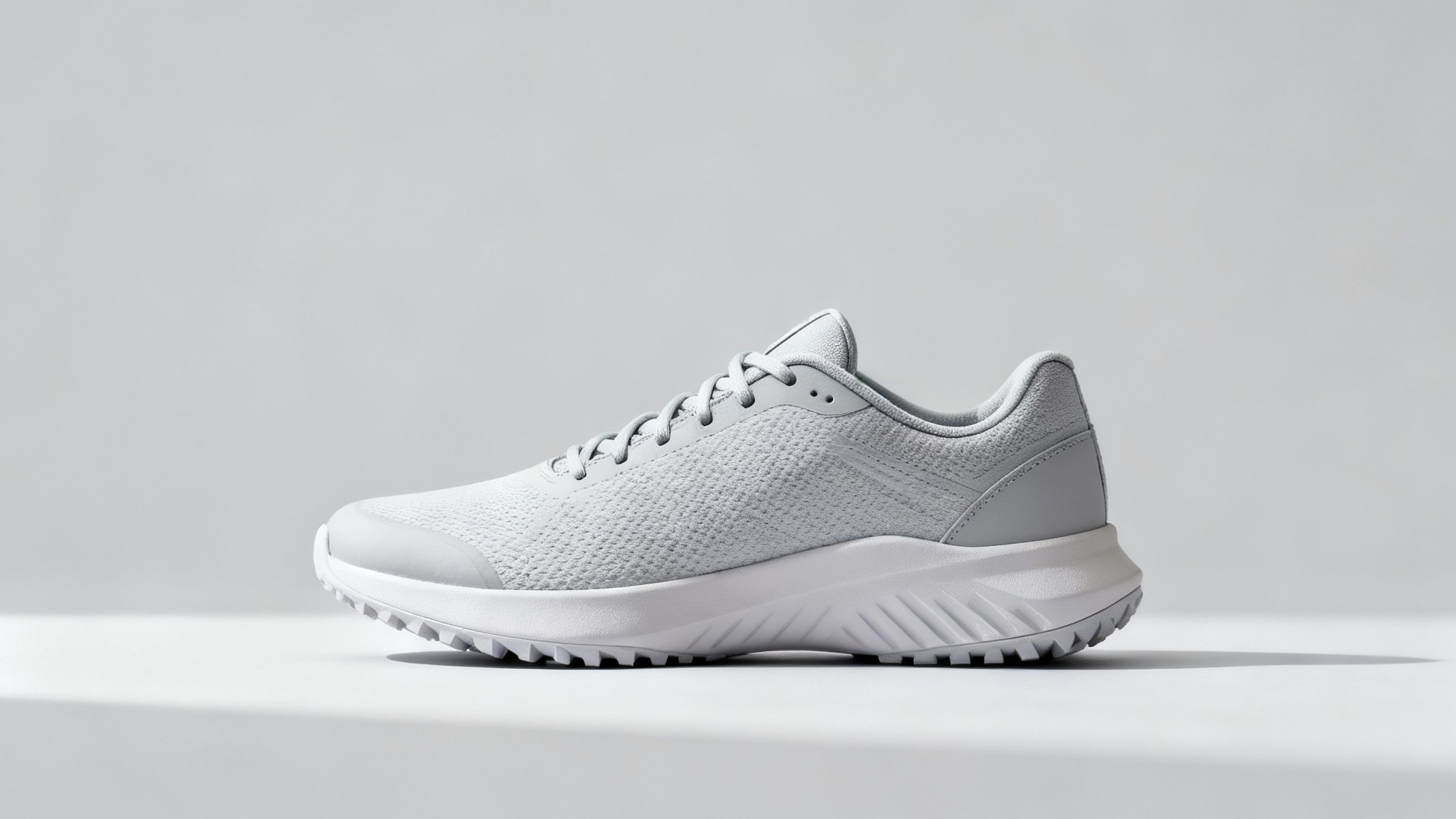
The Foundation: Firm Midsole and Outsole
The midsole is the layer between your foot and the ground. In a cross-trainer, it's firmer than in a cushy running shoe. This is a crucial feature, preventing your foot from compressing too much under heavy loads, giving you a solid base for squats and deadlifts.
The outsole, which contacts the floor, often has a multi directional tread pattern. This ensures solid grip during forward movement, lateral shuffles, and quick pivots. This versatility is why cross-training shoes are so popular. Their wider bases support lateral movements and can prevent up to 30% more ankle rolls during high impact sessions (1).

Heel-To-Toe Drop: A Critical Measurement
The heel-to-toe drop is the height difference between the heel and the forefoot. Running shoes often have a higher drop (8-12mm) to propel you forward.
Cross-trainers usually have a much lower drop, around 4-8mm. A lower drop keeps you closer to the ground, boosting stability and balance. This is essential for lifting weights, as it places your foot in a more natural position to generate force. To learn more, see our guide on what heel-to-toe drop means for your workout.
Upper Construction: Durability Meets Flexibility
The "upper" is everything that covers your foot. In a good cross-training shoe, it must be both durable and flexible, tough enough for rope climbs but pliable enough for movement and breathability.
Look for engineered mesh with reinforced overlays in high wear areas like the toe box. This combination provides a secure, locked in feel without sacrificing the flexibility needed for explosive movements like box jumps. The upper must handle stress from all angles, not just the front-to-back motion of running.
Top Cross-Training Shoes: Men's Reviews
Choosing the right shoes for cross training means matching your footwear to your gym goals. The men's training shoe market is huge, reflecting a high demand for versatile, high performance gear. Let's cut through the noise and highlight the top performers.
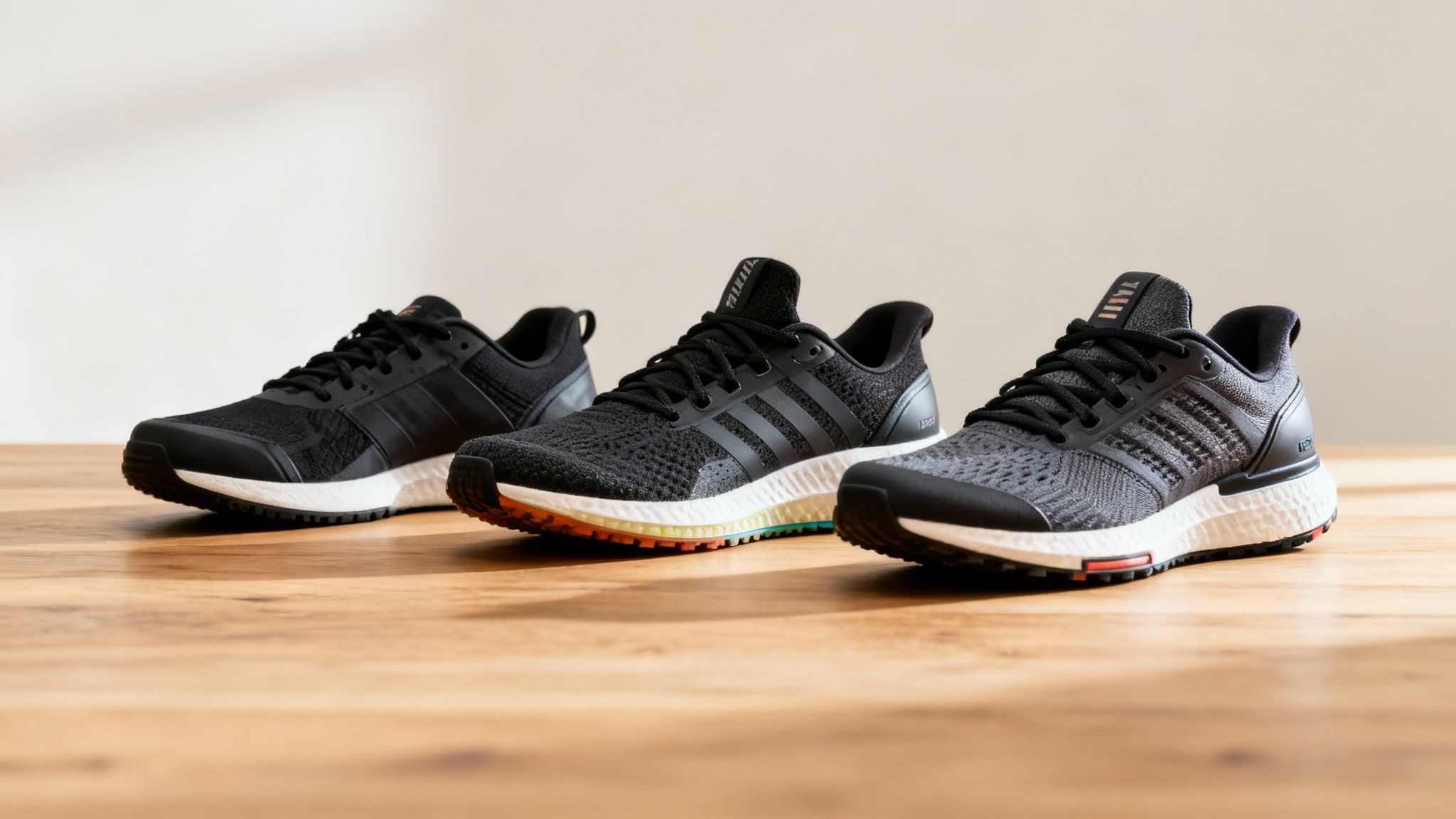
This trend toward specialized gear is well documented. The men's training shoe market held a significant share in 2023 and is projected to grow. The entire market, valued at USD 58.40 billion in 2024, is expected to reach USD 88.80 billion by 2032 due to innovations in shoe technology (2). You can explore more about the growing training shoe market and its trends if you're interested.
The Powerhouse Lifter: NOBULL Outwork
For heavy lifting and functional fitness, the NOBULL Outwork is a top contender. Its simple design excels under pressure. The Outwork features a minimal 4mm heel-to-toe drop, providing a stable, grounded platform perfect for squats, deadlifts, and Olympic lifts where a connection to the floor is key. Its "practically bulletproof" upper is made from a tough, breathable material that resists abrasion. While stiff at first, it molds to your foot. However, its minimalist cushioning makes it less suitable for high impact cardio.
The Versatile All-Rounder: Nike Metcon
The Nike Metcon series is a gym favorite for its balance of stability for lifting and responsiveness for dynamic movements. A wide, flat heel provides a solid base, and some models include a removable Hyperlift insert to increase the drop for deeper squats. The forefoot is flexible and cushioned enough for box jumps and short runs without feeling clunky. The Metcon is a reliable choice for athletes who do a bit of everything.
The Dynamic HIIT Specialist: Reebok Nano
The Reebok Nano is built for the high energy demands of HIIT and CrossFit. It blends cushioning, flexibility, and support. The Nano features responsive cushioning in the forefoot to absorb impact during plyometric moves. Its durable outsole provides excellent traction for quick lateral movements, keeping you locked in during agility drills. While stable enough for moderate lifting, serious powerlifters might prefer a shoe with a firmer base.

Top Cross-Training Shoes: Women's Reviews
Finding the right cross-training shoe is crucial, especially since women's feet have different anatomical needs, often requiring a narrower heel and higher arch support. The best athletic shoes for women are designed with these differences in mind.

The Agile and Secure Performer
For workouts with quick directional changes, like agility ladders, a secure fit is nonnegotiable. Look for shoes with a snug heel cup and a supportive upper that locks your foot down without being restrictive. A shoe engineered for lateral stability is ideal. It prevents lateral foot sliding during skaters or shuffles, which is crucial for performance and preventing ankle sprains. These shoes often combine a firm midsole with a supportive midfoot cage.
The Versatile Hybrid for Class Lovers
If your fitness routine includes everything from dumbbell circuits to box jumps, you need a true hybrid shoe. The goal is to find a balance between stability for lifting and flexible cushioning for high impact moves. Look for moderate cushioning, a flexible forefoot, and a durable, multi directional outsole. The New Balance Minimus TR is a great example. Its low profile design keeps you grounded while offering enough protection for various workouts.
The Cushioned Choice for High-Impact HIIT
High Intensity Interval Training (HIIT) involves jumping, sprinting, and explosive movements that stress your joints. For these workouts, shock absorption is a top priority. Shoes with responsive cushioning in the midsole are designed to soften this impact. The HOKA Kawana excels here, delivering superior cushioning without sacrificing stability. It's a fantastic choice for women who mix short runs or plyometrics into their training, protecting joints while providing an energetic bounce back.
Footwear, Health, and Performance Impact
The right shoes for cross-training are a critical investment in your long term health and training ability. Your feet are the foundation for every movement, and improper footwear can send stress throughout your body. Proper cross-training shoes act as a support system, creating a stable base that absorbs impact and distributes force evenly, protecting your ankles, knees, and lower back.
The Biomechanical Connection
Your body operates as a connected chain. When your feet are properly aligned, your joints and muscles function correctly. An unstable shoe forces your body to compensate, leading to poor form and injury risk. Lifting in cushioned running shoes, for example, is like squatting on a mattress, the soft foam compresses unevenly, wrecking your stability and potentially causing issues like plantar fasciitis or shin splints.
Understanding this connection is vital. Learning how to prevent running injuries is part of this, as proper footwear is a key component (3).

Common Issues from Improper Footwear
Wearing the wrong shoes can lead to painful conditions that hinder performance.
Plantar Fasciitis: This sharp heel pain is often worsened by shoes lacking arch support.
Shin Splints: This pain can flare up when shoes lack shock absorption or stability, overworking lower leg muscles.
Ankle Instability: Quick lateral cuts in a high, soft heeled shoe increase the risk of a rolled ankle. Cross-trainers have a wider, firmer base to prevent this.
For those with specific foot mechanics, our guide on finding the best shoes for supination offers more targeted advice (4). Viewing your shoe purchase as a health investment is the first step toward better performance and an injury free fitness journey.
Wellbeing Trends: Matching Shoes to Workouts
Connecting shoe anatomy to your actual workout is where the magic happens. Every workout style has unique demands, and your shoes need to match them. Even your choice of equipment, like a manual treadmill vs motorized treadmill, can change your footwear needs (5).
The growing trend of versatile fitness routines is driving market growth. The global cross-training shoes market, valued around USD 9.5 billion in 2023, is expected to reach USD 17 billion by 2032. This reflects a fundamental shift in how people train, demanding footwear that can keep up.
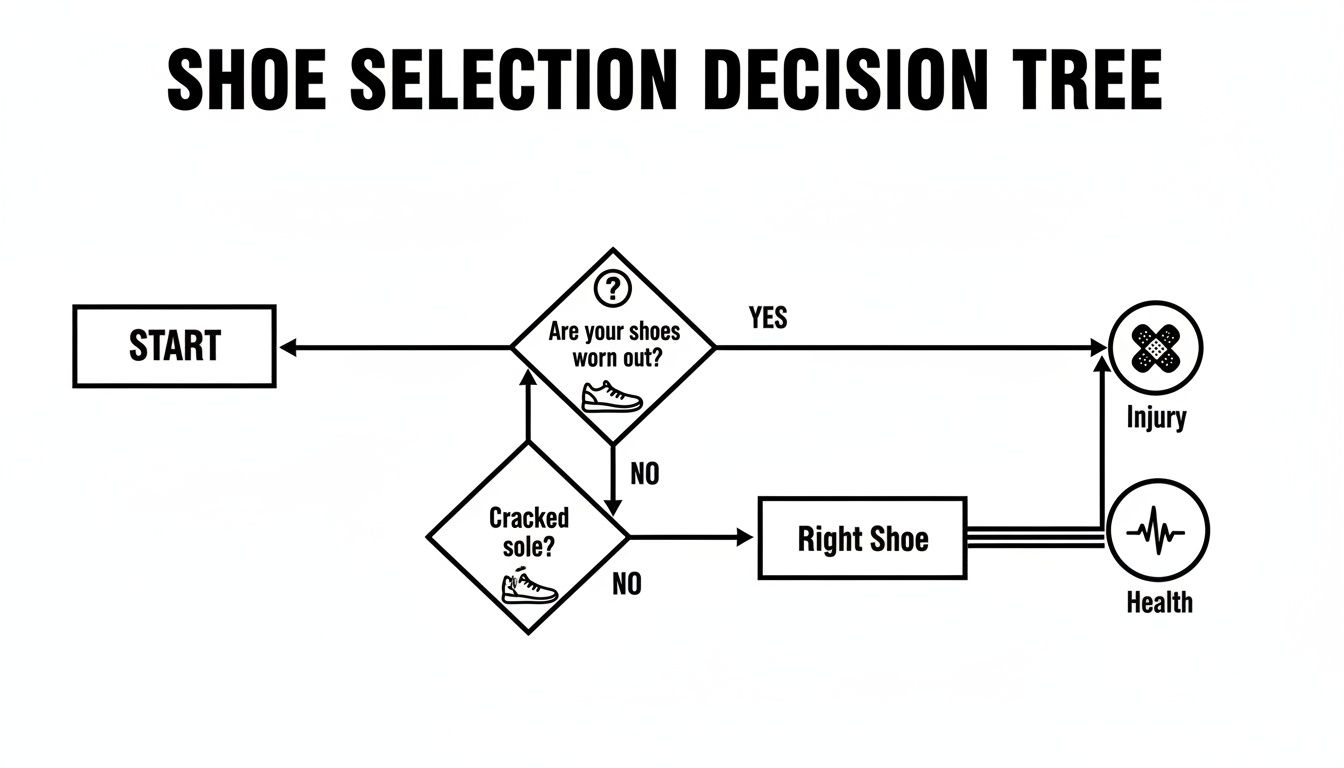
As the decision tree shows, the right shoes support long term health, while the wrong ones can lead to preventable injuries.
For the CrossFit and Functional Fitness Athlete
Workouts involving Olympic lifts, rope climbs, and metabolic conditioning require a shoe that masters stability and toughness. Your ideal shoe has a minimal heel-to-toe drop (around 4mm) to keep you planted during lifts. It also needs a durable upper and a firm, flat outsole for maximum power transfer. Avoid shoes with squishy, high cushioned heels that create instability under heavy loads.
For the HIIT and Bootcamp Enthusiast
HIIT and bootcamp workouts involve explosive, high impact moves like burpees and box jumps. These demand a shoe that balances responsive cushioning with flexible support. You need something that absorbs shock without feeling mushy. For a deeper dive, our breakdown of cross training vs running shoes explained provides more clarity (6). Look for moderate forefoot cushioning, a flexible design, and a grippy outsole. Avoid rigid, heavy lifting shoes that hinder agility.

Common Questions Answered
Here are answers to common questions about buying and using cross-training shoes.
How often should I replace my shoes?
Knowing when to replace cross-trainers is key to staying injury-free. Unlike running shoes tracked by mileage (typically 300-500 miles), a cross-trainer's lifespan depends on usage. A good rule of thumb is every 6-12 months for consistent gym goers. However, visual inspection is your best guide. Look for worn-out treads, a compressed midsole with deep wrinkles, or a frayed upper that no longer secures your foot.
Can I run long distances in cross-trainers?
No. Cross-trainers are not designed for long distance running. Their firm, stable design is ideal for lifting and lateral movements but lacks the specialized cushioning and forward propulsion tech of dedicated running shoes. They are suitable for short sprints or treadmill warm-ups (under a mile), but for longer distances, switch to a proper running shoe to protect your joints.
How do I find the right fit?
A proper fit is nonnegotiable. Try on shoes in the afternoon or evening when your feet are slightly swollen. You should have about a thumb's width of space between your longest toe and the end of the shoe. Your heel should feel locked in without slipping, but you should still have room to wiggle your toes. A snug fit is good; a cramped fit is not.
What is the best way to clean my shoes?
To extend your shoes' life, avoid the washer and dryer, as heat can damage adhesives. Instead, remove the insoles and laces and wash them separately. Use a soft brush and a mild soap and water mix to scrub the shoe's exterior. Wipe them with a clean, damp cloth and let them air dry at room temperature, away from direct heat or sunlight.
References
Journal of Sports Science & Medicine, "Impact of Footwear on Ankle Stability During Multi-Directional Movements," 2021.
Fortune Business Insights. (2024). Training Shoes Market Size, Share & COVID-19 Impact Analysis. Retrieved from https://www.fortunebusinessinsights.com/training-shoes-market-110682
Nutrition Geeks. "How to Prevent Running Injuries." Retrieved from https://nutritiongeeks.com/how-to-prevent-running-injuries/
Flourish-Everyday. "Finding the Best Shoes for Supination." Retrieved from https://www.flourish-everyday.com/post/finding-the-best-shoes-for-supination
Medeq Fitness. "Manual Treadmill vs Motorized Treadmill." Retrieved from https://medeqfitness.com/blogs/medeq-wellness-journal/manual-treadmill-vs-motorized-treadmill
Flourish-Everyday. "Cross Training vs Running Shoes Explained." Retrieved from https://www.flourish-everyday.com/post/cross-training-vs-running-shoes-explained
At Flourish-Everyday, our goal is to give you the insights you need to support your wellness journey. Feel free to explore our site for detailed reviews and recommendations on the best athletic footwear out there. https://www.flourish-everyday.com
