Better Recovery: What To Eat After A Workout For Optimal Gains

Updated: Feb 5
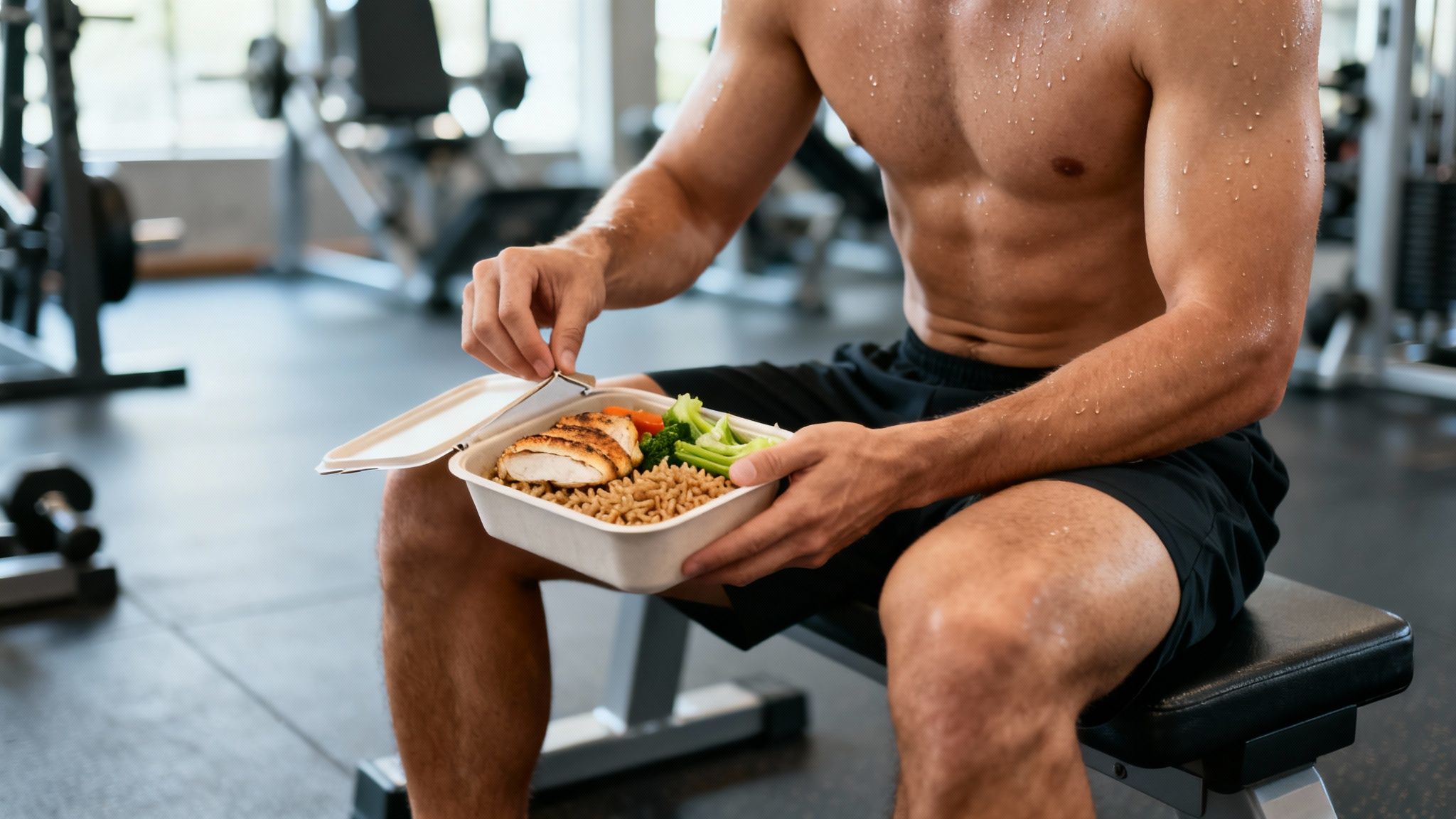
I have written several articles on this subject. I want to emphasize the importance of what you eat right after a workout. Many people visit their favorite coffee shop or food stall, but after you’ve completed a workout, the single most important thing is to eat a mix of high quality protein and easily digestible carbohydrates. This powerhouse combination works to repair your muscle tissue and replenish the energy stores you just burned through, which speeds up recovery and helps you get the most out of your hard work.
Index
Why Your Post Workout Meal Is So Important
Think of your body after a workout like a construction site. Your muscle fibers have tiny tears, and your fuel tanks, glycogen, are running low. That post workout meal is the supply truck rolling in with materials to repair, rebuild, and refuel. This isn't just about feeling less sore; it's about making your effort count. When you provide the right nutrients, you initiate two critical recovery processes:
Muscle Protein Synthesis (MPS): This is where your body uses protein to repair those tiny muscle tears, rebuilding them stronger than before. Without enough protein, this repair job is inefficient.
Glycogen Replenishment: Carbohydrates are your body's preferred energy source, stored as glycogen. During your workout, you burn this fuel. Eating carbs afterward refills the tank, ensuring you're ready for your next session.

Maximizing Your Efforts
The global sports nutrition market, valued at USD 49.60 billion in 2024, is projected to reach USD 94.30 billion by 2033 for a reason (1). Post workout products are popular because they play a vital role in recovery and performance.
Skipping your post workout meal is like building a house without a foundation. You're leaving strength gains, faster recovery, and better long term performance on the table.
By refueling strategically, you're not just eating. You're signaling to your body that it's time to adapt, get stronger, and prepare for the next challenge.
Your Quick Guide to Post Workout Recovery Nutrients
Here is a summary of the essential macronutrients and fluids your body needs after exercise and the role each plays in recovery.
Nutrient | Primary Role in Recovery | Why It's Critical for Results |
|---|---|---|
Protein | Muscle Repair & Growth | Provides amino acids to rebuild damaged muscle fibers stronger. |
Carbohydrates | Energy Replenishment | Refills depleted muscle glycogen stores for your next workout. |
Fluids (Water) | Rehydration & Nutrient Transport | Replaces fluids lost through sweat and helps shuttle nutrients to cells. |
Getting these three components right is the bedrock of a solid recovery plan. Your post workout meal reduces muscle soreness, supports muscle growth, and readies your body for the next session, making it a nonnegotiable part of any fitness plan.
Protein: The Master Repair Crew
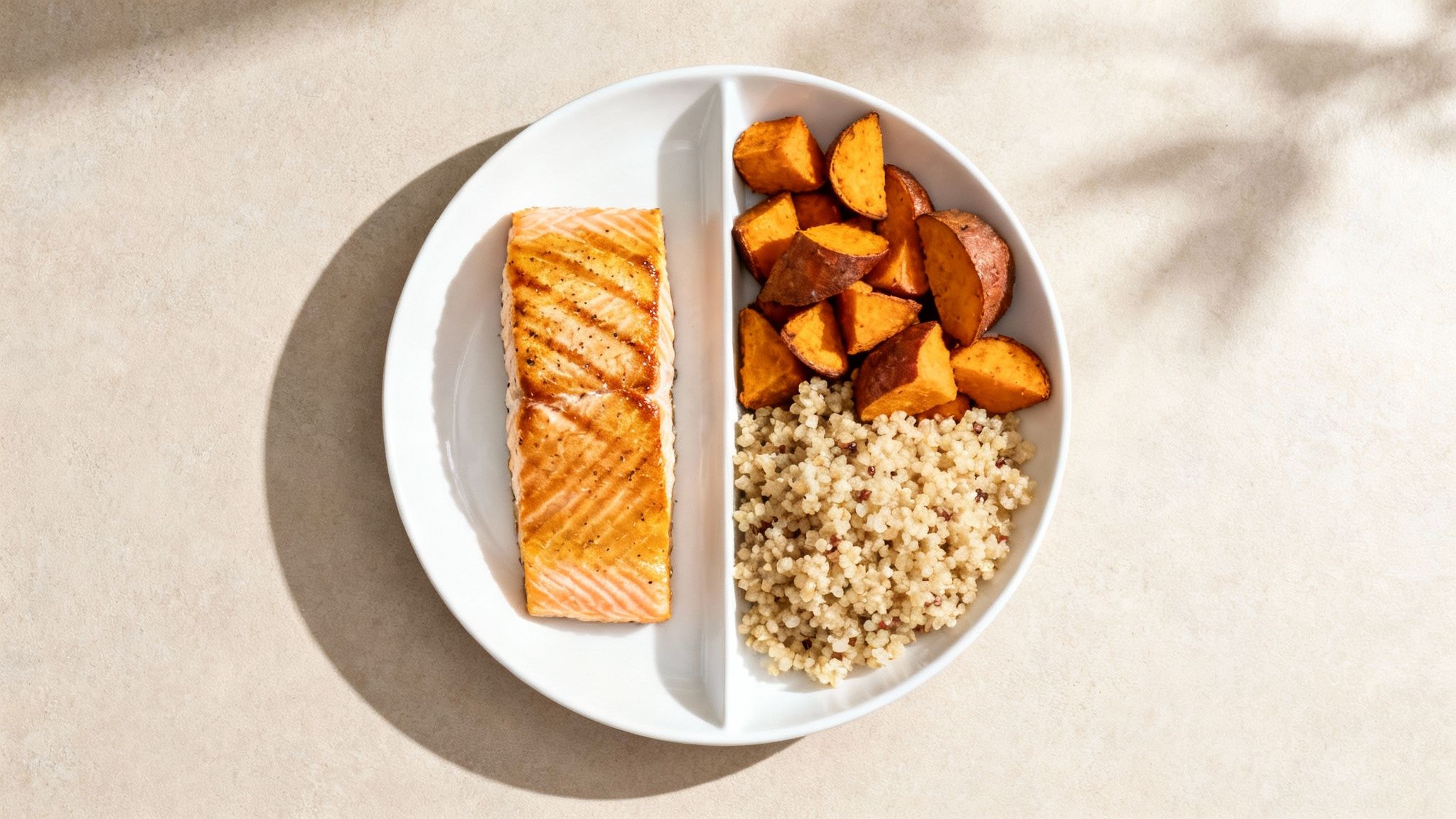
Exercise creates microscopic tears in muscle fibers, a necessary part of getting stronger. Protein, with its building blocks called amino acids, steps in to patch up the damage. It rebuilds the fibers slightly thicker and tougher, which is how you build lean muscle and increase strength.
For your post workout meal, target 20-40 grams of high quality protein. This provides ample material for the repair crew and kickstarts muscle protein synthesis. For a deeper dive, check out this guide on increasing lean muscle mass.

Carbohydrates: The Essential Fuel Source
Carbohydrates are the refueling team. Their job is to replenish your body's glycogen stores, the primary energy source for muscles during exercise. After a tough session, these stores are low. Eating easily digestible carbs replenishes them quickly so you're ready for your next workout.
The combination is key. Pairing protein with carbs creates a powerful synergistic effect. Carbs cause a small insulin spike, which helps shuttle amino acids from protein into your muscle cells more efficiently, accelerating recovery.
Optimizing Your Intake for Results
Studies recommend a daily protein intake of 1.4–2.0 grams per kilogram of body weight for active individuals to enhance training adaptations (2). For a 70kg (154lb) person, that’s 100-140 grams of protein spread throughout the day.
To capitalize on your workout, eating 20-40 grams of protein with carbohydrates within the post workout "anabolic window", roughly 30 minutes to two hours after exercise, can maximize muscle repair and refill glycogen stores up to 150% faster (3). For convenience, especially if weight loss is a goal, healthy snack bars for weight loss high in fiber and protein can be a great choice.
When to Eat After Your Workout
You’ve likely heard of the “anabolic window,” a supposed 30-minute period post workout to refuel or lose all your gains. The good news? Modern research shows this window is much larger than we once thought. Think of it less as a closing window and more as a wide open door that stays open for several hours. You don't need to slam a protein shake the second you finish your last rep.
Debunking the 30-Minute Myth
The 30-minute window concept originated from studies on elite athletes training multiple times a day. For them, rapid refueling is crucial. But for most of us working out once a day, the body is more forgiving. The main goals, restocking glycogen and kickstarting muscle repair, happen perfectly fine even a few hours later. Your muscles remain sensitive to nutrients well beyond that initial half hour.
The real takeaway isn't about a ticking clock. It's about ensuring your body gets the building blocks it needs within a reasonable timeframe to recover and adapt.
Practical Timing Guidelines for Your Lifestyle
When is the best time to eat? Ideally, within a couple of hours. This approach removes stress and makes post workout nutrition a sustainable habit.
If you trained on an empty stomach: It's a good idea to eat sooner, preferably within an hour. Your body needs protein and carbs quickly to stop muscle breakdown and start recovery.
If you had a pre workout meal: If you ate 1-3 hours before training, your body still has nutrients circulating. You can comfortably wait 1 to 2 hours after your workout to eat.
When Immediate Fueling Is a Good Idea
While the window is wide for most, there are situations where eating sooner, within 30 to 60 minutes, is smart:
You're a two-a-day athlete: If another session is less than eight hours away, quick carb intake is critical.
You are a competitive endurance athlete: After a long event like a marathon, immediate refueling speeds up the massive recovery process.
Your goal is maximum muscle growth (hypertrophy): Some evidence suggests getting protein in sooner might provide a slight edge in optimizing muscle protein synthesis.
Don't let perfect timing become the enemy of good nutrition. The most important thing is consistently eating a quality meal with protein and carbs after you train.

Tailoring Your Plate for Your Specific Workout
Just as training plans differ, your post workout meal should match your activity's demands. To maximize recovery, you must tailor your plate to replenish what you've used and repair what you've broken down. The more intense and glycogen depleting the workout, the more carbs you need. The more you focus on breaking down muscle, the greater the emphasis on protein.
The key takeaway is that a balanced meal within a couple of hours is effective for most people's recovery.
Fueling for Endurance Athletes
For runners, cyclists, or swimmers, the top recovery goal is glycogen replenishment. Your post workout meal should be carbohydrate heavy, to refill energy tanks. Protein is still important, but your main focus is easily digestible carbs. Aim for a carb to protein ratio of about 3:1 or 4:1.
Recovering from Strength and Gym Workouts
For those lifting weights to build muscle, the priority shifts. Carbs are needed to restore energy, but protein takes center stage. Your goal is providing amino acids to repair muscle micro tears, which triggers growth. After a heavy lifting session, a meal with at least 25-40 grams of high quality protein is non-negotiable to kickstart muscle protein synthesis.
Refueling After CrossFit and Cross-Training
CrossFit and other high intensity workouts demand both endurance and power, draining glycogen and causing significant muscle breakdown. Your recovery meal needs a solid helping of both carbohydrates and protein. Quick options like whey protein shakes (often 25 grams per serving) are effective. It's no surprise that many athletes add BCAAs and electrolytes to help reduce soreness.
To help you put this all together, here’s a quick guide.
Post Workout Meal Ideas by Activity
A comparison of ideal post-workout meal components for different types of workouts.
Activity Type | Primary Recovery Goal | Example Meal Idea | Example Snack Idea |
|---|---|---|---|
Endurance (Running, Cycling) | Glycogen Replenishment | A large bowl of a healthy grain with milk, banana, berries, and a spoon of almond butter. | A fruit smoothie made with Greek yogurt and a little honey. |
Strength Training (Lifting) | Muscle Repair & Growth | Grilled chicken breast or salmon with a roasted sweet potato and a side of broccoli. | A cup of cottage cheese or Greek yogurt with a handful of nuts. |
CrossFit/Cross-Training | Glycogen & Muscle Repair | A quinoa bowl with black beans, corn, avocado, and shredded chicken or tofu. | Chocolate milk for its ideal carb-to-protein ratio. |
By aligning your meal with your workout, you ensure your body gets what it needs to recover strong. For more tips, check out our guide to pre and post workout nutrition for maximum results.
Hydration and Supplements for Enhanced Recovery
While protein and carbs are cornerstones of post workout nutrition, hydration and smart supplementation are also crucial. Food is only part of the puzzle; fluids and key supplements can boost recovery. Think of hydration as the delivery driver for nutrients, shuttling them to your exhausted muscles.
Rehydrating for Optimal Recovery
Even slight dehydration can slow muscle repair. A good rule is to drink 20 to 24 ounces of water for every pound of body weight lost during your workout (4). You can learn more with these hydration tips for athletes. For most workouts, water is perfect. After long or very sweaty sessions, a drink with electrolytes can replenish minerals like sodium and potassium.
Navigating the World of Supplements
The supplement aisle can be overwhelming, but a few key players have proven benefits. The post workout supplement market is enormous, projected to reach USD 138.48 billion globally by 2033, with protein products making up over 50% of the share (5). Let’s focus on two effective options:
Protein Powders (Whey, Casein, Plant-Based): These offer a convenient way to get a quick, high quality dose of protein. A shake is easy to digest and perfect when you can't get to a full meal right away.
Creatine Monohydrate: One of the most studied supplements, creatine helps muscles replenish their immediate energy supply, improving performance and supporting strength gains over time.
A key insight to remember is that supplements are meant to supplement a healthy diet, not replace it. Prioritize whole foods first and use supplements as a tool to fill gaps or for convenience.
Supplements aren't required for great results, but they can offer a helpful boost when used correctly.
Your Post Workout Nutrition Questions Answered
Let’s tackle some real world questions about post workout eating. Life is busy, and things aren't always perfect. Here are straightforward answers to help you fuel your body right.
Do I Need a Big Meal After Yoga or a Light Walk?
No. Recovery needs are tied to workout intensity. For lower intensity activities like gentle yoga or a brisk walk, your body isn't tearing down muscle or burning massive amounts of glycogen. After light exercise, focus on hydration. Drink some water and eat your next planned meal. There's no need for a special post workout snack if you aren’t hungry.
Can a Protein Shake Replace a Real Meal?
Protein shakes are convenient but shouldn't regularly replace whole food meals. Think of a shake as a tool for when you're in a rush. It provides a quick shot of protein to start the repair process. However, a real meal offers more:
Micronutrients: Foods like chicken and broccoli are packed with vitamins, minerals, and fiber not found in most shakes.
Satiety: A proper meal keeps you feeling full longer than a liquid shake.
Energy: Whole foods provide a complex mix of carbs and fats for sustained energy.
The supplement industry is massive for a reason; you can learn more about these post workout supplement market trends yourself. But remember, these products support a good diet, not replace it.
Think of shakes as a convenient bridge to your next meal, not the final destination. A solid, well rounded diet is always the foundation.
What Should I Eat After a Late-Night Workout?
For late night workouts, you need to refuel without disrupting sleep. Go for something light, easy on the stomach, and focused on recovery nutrients. Avoid big, fatty, or carb heavy meals. A smaller snack with protein and some carbohydrates is ideal.
Smart Late Night Post Workout Snack Ideas:
A small bowl of Greek yogurt with a few berries.
A glass of low fat chocolate milk.
A scoop of casein protein mixed with water or milk (casein digests slowly, ideal for overnight recovery).
A piece of fruit with a handful of almonds.
This approach gives your muscles protein for overnight repair without weighing you down.

Putting It All Together for Long Term Success
Proper post workout nutrition works best as part of a bigger picture that includes consistent training and quality rest. Your workout is the spark, nutrition provides the materials for repair, and rest is when growth happens. Neglecting any of these will lead to a plateau.
The Core Principles of Smart Recovery
Let's recap the most important takeaways:
Prioritize Protein and Carbs: This is the nonnegotiable cornerstone of recovery.
Time It for Your Lifestyle: A solid meal within a couple of hours after a workout is perfect for most people.
Always Stay Hydrated: Water is critical for nutrient transport and waste removal.
When you view food as a fundamental part of your fitness journey, you can recover faster and achieve the results you're working for.
The goal isn't perfection; it's consistency. Your best post workout meal is the one you can stick with day after day. This steady effort builds momentum and delivers lasting change.
Adopting a Long Term Mindset
Ultimately, knowing what to eat after a workout is about empowering yourself. It’s about understanding what your body needs and making choices that support your goals. When you see food as an essential tool for recovery and performance, everything changes. This mindset shift helps you stay motivated, listen to your body, and move closer to your fitness goals. You will, after time, know what foods your body prefers and improves on and which foods slow you down. Try different types of carbs and proteins to find your optimal foods. Be well.
At Flourish-Everyday, we believe a healthy lifestyle is built on smart choices, from the shoes on your feet to the food on your plate. We provide the information and recommendations you need to support every aspect of your fitness journey. Explore our resources to empower a healthier, happier you at https://www.flourish-everyday.com.
References
Research and Markets. (2024). Sports Nutrition Market - Global Industry Analysis, Size, Share, Growth, Trends, and Forecast 2024-2033.
Jäger, R., Kerksick, C. M., Campbell, B. I., et al. (2017). International Society of Sports Nutrition Position Stand: protein and exercise. Journal of the International Society of Sports Nutrition, 14, 20.
Aragon, A. A., & Schoenfeld, B. J. (2013). Nutrient timing revisited: is there a post-exercise anabolic window?. Journal of the International Society of Sports Nutrition, 10(1), 5.
American College of Sports Medicine. (2007). ACSM Position Stand: Exercise and Fluid Replacement. Medicine & Science in Sports & Exercise, 39(2), 377-390.
Data Insights Market. (2024). Post-Workout Supplements Market Report.

