The Best Pre-Workout for Cardio to Maximize Your Endurance

Updated: Feb 9
Finding the best pre-workout for cardio isn't about chasing the massive energy jolt you'd want for heavy lifting. It’s about finding a smart, sustained fuel source that keeps you going, whether you're logging miles on the road or crushing a high intensity interval session. The right formula helps you push further and longer, all without the dreaded jitters or the post workout crash. This guide will explain different theories and help you navigate the world of efficient fuel sources.
Index of Sections

Fueling Your Cardio for Peak Performance
When you're gearing up for a run or a HIIT class, your body plays a different game than it does in the weight room. Cardio is all about endurance, demanding a steady stream of energy to fight fatigue, stay hydrated, and help your heart and lungs work efficiently. Grabbing any pre-workout off the shelf might work against you.
The goal isn't a quick explosion of power. It's optimizing your engine for the long haul, which calls for a targeted approach to pre-workout fuel.

Understanding the Right Fuel Source
The secret is to zero in on ingredients that support aerobic performance, not those designed for a massive muscle "pump." For cardio, you want ingredients that improve oxygen flow and help clear metabolic byproducts that cause muscle burn. Many runners use a simple cup of coffee as their pre-workout. To learn how timing your brew can make a difference, check out this guide on coffee and running.
Think of your body as a high performance vehicle. For a long road trip (cardio), you need efficient fuel, not rocket fuel designed for a drag race (heavy lifting).
Key Goals of a Cardio Pre-Workout
A well designed cardio pre-workout should nail four key things to support your endurance. Remember, food matters just as much; for pre-run meal ideas, our guide on what to eat before running for peak performance has you covered.
Sustained Energy Release: Provides a smooth lift without a crash.
Enhanced Endurance: Delays muscle fatigue, letting you go longer and stronger.
Improved Hydration: Contains electrolytes to replace what you sweat out and prevent cramps.
Increased Mental Focus: Keeps your head in the game and maintains motivation.
Ultimately, the right supplement acts like a support crew, it helps your body work smarter, not just harder, giving you the edge to push past your limits.
Why Cardio Demands a Different Kind of Fuel
You wouldn't run a marathon in a dragster. A drag racer is built for a short burst of power, while a marathon car needs efficient fuel for the long haul. Your body works similarly, using different energy systems for lifting weights versus running.
Heavy lifting is anaerobic, short, powerful efforts that don't rely heavily on oxygen. Cardio is an aerobic marathon, sustained effort demanding a constant supply of oxygen and fuel. This is why a pre-workout for the squat rack is the wrong choice for your 5k.
Anaerobic Power vs. Aerobic Endurance
When lifting, the goal is often the "pump," where muscles feel full and tight. This comes from ingredients that boost nitric oxide, widening blood vessels to shuttle more blood into the muscle. It’s great for short term power but isn't what your body needs for a long run.
For cardio, priorities are different. Your body needs to deliver oxygen efficiently, stay hydrated, and fight muscle fatigue. Using ingredients for a massive pump can feel counterproductive.
Pre-workouts for lifters maximize the pump, which can leave you feeling tight and breathless on a run. For cardio, the goal is efficient blood flow and stable energy, not muscle swelling.
When The Wrong Fuel Goes Into Your Engine
Restrictive Feeling: Ingredients causing intense vasodilation (the "pump") can make muscles feel tight, which is uncomfortable during repetitive motion.
Energy Spikes and Crashes: Aggressive stimulant blends can give you a jolt at the start, only to leave you crashing mid workout.
Digestive Upset: Your stomach is already jostled during a run. Heavy formulas can lead to cramps and discomfort. A pre-cardio supplement should be easy on the gut.
Fueling for cardio isn't about explosive power; it's about building relentless endurance. It's about ingredients that support steady energy, oxygen use, and hydration from start to finish.

The Core Ingredients That Power Endurance
To pick the best pre-workout for cardio, you must become a label detective. The magic is in specific compounds scientifically proven to boost endurance, delay fatigue, and keep you hydrated. Unlike formulas for heavy lifting, these ingredients are about sustained energy.
Think of it like building a high performance engine. Your body is the engine, but different activities, lifting and cardio, require specialized fuel.
Key Ingredients for a Cardio Pre-Workout
Ingredient | Primary Benefit for Cardio | Effective Dosage Range |
|---|---|---|
Delays fatigue, reduces perceived effort, and boosts mental focus. | 3–6 mg/kg of body weight (approx. 200–400 mg) | |
Buffers lactic acid to fight muscle burn and extend high intensity effort. | 2–5 grams | |
Improves blood flow and oxygen delivery to working muscles. | 6–8 grams | |
Prevents dehydration, supports muscle function, and stops cramping. | Varies (look for Sodium, Potassium, Magnesium) |
Each of these plays a unique role in supporting cardiovascular performance.
Caffeine: The Trusted Energizer
Caffeine works by blocking adenosine, a neurotransmitter that signals tiredness, which lowers your perception of effort. This allows you to push harder for longer. It's important to understand caffeine's impact on your heartbeats and your personal tolerance. Studies show that doses of 3–6 mg/kg of bodyweight can significantly improve performance. For a 70kg (154 lb) athlete, this is about 210–420 mg of caffeine, which helps spark fat oxidation and spare muscle glycogen.
Beta-Alanine: The Fatigue Buffer
That intense muscle burn during a sprint is caused by lactic acid buildup. Beta-Alanine is an amino acid that helps your body produce carnosine, a compound that buffers this acid.
By neutralizing acid buildup, Beta-Alanine extends the time to exhaustion. This allows you to maintain a higher intensity for longer, which is crucial for improving performance.
This is the ingredient responsible for the harmless tingling feeling (paresthesia) some people experience.
Citrulline Malate: The Oxygen Superhighway
While ingredients that create a massive "pump" can hinder cardio, Citrulline Malate offers a more functional benefit. It boosts nitric oxide levels to promote efficient blood flow and oxygen delivery rather than just muscle swelling. Better oxygen delivery is the foundation of aerobic exercise and directly impacts endurance. If you're serious about improvement, you might be interested in our guide on how to improve VO2 max.
Electrolytes: The Unsung Heroes
During intense cardio, you sweat out critical minerals known as electrolytes, like sodium, potassium, and magnesium. These are vital for:
Maintaining fluid balance to stay hydrated.
Supporting muscle contractions and preventing cramps.
Regulating nerve function.
A cardio pre-workout with electrolytes helps you stay ahead of dehydration and maintain peak function from start to finish.

Nailing the Timing for Maximum Impact
Having the perfect formula is useless without proper timing. The goal is for the active ingredients to peak in your system when you’re pushing your hardest.
For most cardio focused blends, that window is 30 to 45 minutes before you start. This gives your body time to digest the ingredients, allowing compounds like caffeine to reach peak concentration in your blood.
Should I Time it Differently for My Workout?
Not all cardio is the same, so your timing may vary.
For Steady-State Cardio (Long Runs, Cycling): The classic 30-45 minute window is best. This provides a smooth, sustained energy release.
For HIIT or Sprints: Aim closer to the 30-minute mark. This ensures you have peak energy ready for the first intense interval.
Be your own coach. Start with these guidelines, but pay attention to how you feel. Adjust timing based on your personal experience.
How to Avoid Building a Tolerance
It’s common to build a tolerance to stimulants like caffeine, requiring more to get the same effect. To keep your pre-workout effective, cycle its use.
Reserve it for your toughest sessions or on days you need an extra push. On easier, recovery focused days, skip it. This strategy prevents adaptation and makes the effect more potent when you need it.
Choosing the Right Formula and What to Avoid
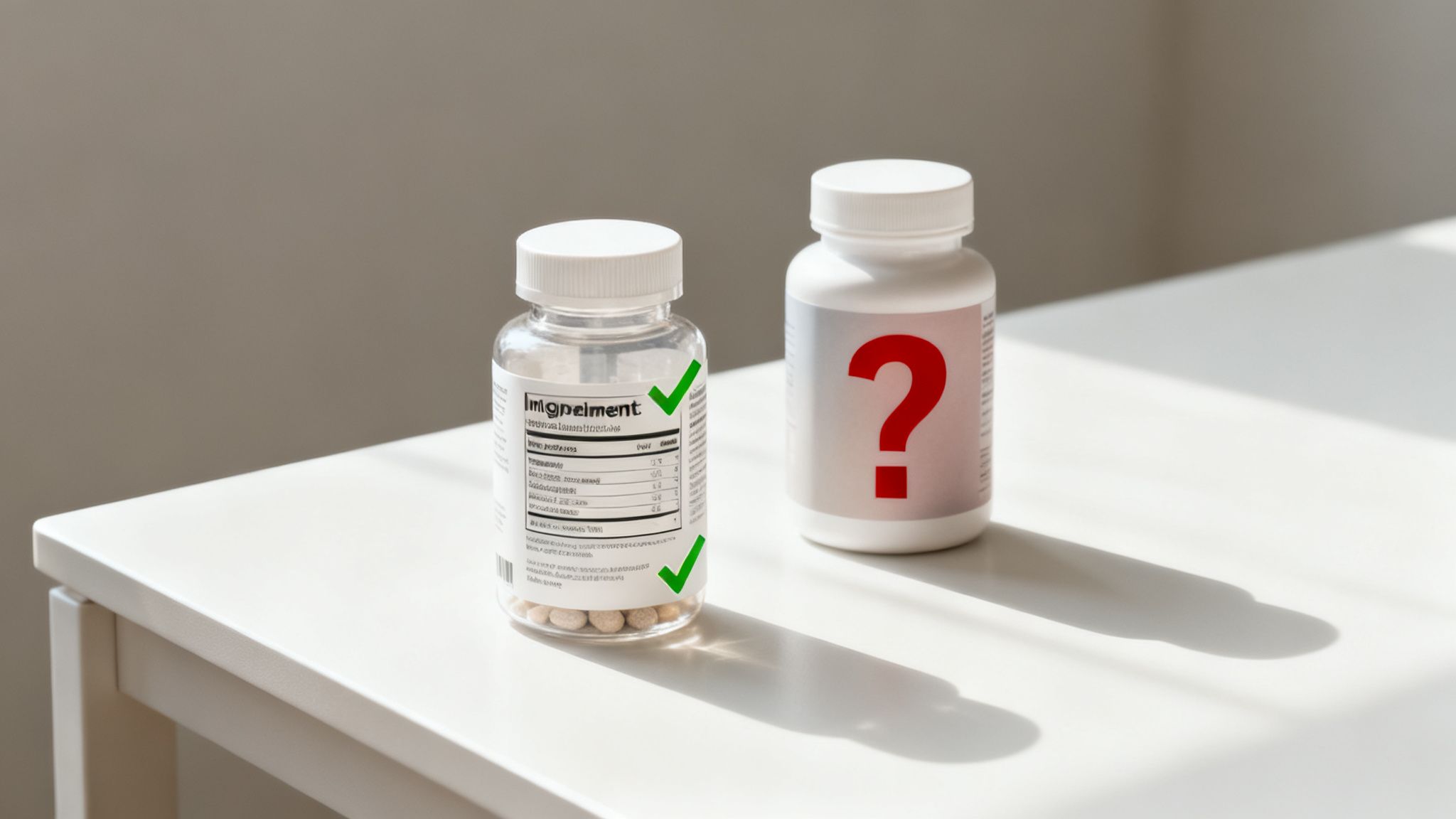
Finding the best pre-workout for cardio is straightforward once you know what to look for. Your goal is a transparent, effective product, not flashy marketing. A good formula will proudly list exactly what’s in it and at what dose. Think of it like reading a nutrition label; transparency is a huge green flag.

Red Flags to Watch Out For
Knowing what to avoid is just as important as knowing what to seek.
Proprietary Blends: These lump ingredients under a single name (e.g., "Endurance Matrix") with one total weight, hiding individual doses. This is often a way to under dose expensive ingredients.
Excessive Stimulants: For cardio, more is not better. Over 300mg of caffeine is likely to cause jitters and a crash, defeating the purpose of sustained energy.
"Pump Focused" Ingredients: Avoid formulas packed with "pump" enhancers like Arginine. They can create a restrictive feeling in your muscles during a long run.
A 2024 review of 24 studies found that pre-workout supplements led to a 9% increase in total exercise volume. Runners saw time to exhaustion increase from 17 minutes to 20.1 minutes, an 18% improvement [1].
Build Your Own Simple Cardio Stack
For full control, making your own pre-workout is a fantastic option. You don't need a long list of ingredients. A simple DIY stack with a few key compounds lets you tailor doses perfectly to your needs.
Your Action Plan for Smarter Cardio Fueling
Now, put this information to use. The best pre-workout for cardio is about sustained energy, hydration, and fighting fatigue, not brute strength. This approach helps you fuel every session for success, allowing you to look past flashy labels and pick a supplement that helps you hit your goals.
Final Checklist for Choosing Your Supplement
Use this quick checklist to make a smart decision:
Check the Caffeine Dose: Look for a moderate amount, around 100-200mg, for a boost without the jitters.
Look for Endurance Supporters: Seek proven ingredients like Beta-Alanine and Citrulline.
Scan for Electrolytes: Ensure sodium, potassium, and magnesium are listed for hydration.
Avoid Proprietary Blends: Stick with products that have transparent labels.
The right pre-workout can improve cardio and overall body composition. One study found that athletes taking a pre-workout saw a 121% greater increase in fat-free mass than a placebo group over nine weeks [2]. Supplements are only one piece of the puzzle; your meals are also crucial. Learn more in our guide to pre and post workout nutrition for maximum results.

Frequently Asked Questions
Can I Take a Regular Pre-Workout for Cardio?
You can, but it’s not ideal. Most pre-workouts are for heavy lifting, with high stimulants and "pump" ingredients like arginine. For cardio, this pump can feel restrictive. You're better off with a formula built for endurance, focusing on blood flow, hydration, and stamina.
Will a Cardio Pre-Workout Make Me Jittery?
This depends on the ingredients and your sensitivity. To avoid jitters, look for a moderate caffeine level (100-200mg) or choose a stim free option. Start with half a scoop to assess your tolerance.
How Long Before a Run Should I Take My Pre-Workout?
The sweet spot is 30 to 45 minutes before your run. This gives your body time to absorb the ingredients so they are at peak levels when you start your workout. Always check the product label for specific recommendations.
Here at Flourish-Everyday, we believe proper fueling is the foundation of every great workout. We're here to give you the insights you need to be your best. Check out all our resources to support a healthier, happier you at https://www.flourish-everyday.com.
References
Jagim, A. R., Harty, P. S., & Tinsley, G. M. (2024). International society of sports nutrition position stand: pre-workout supplements. Journal of the International Society of Sports Nutrition, 21(1), 2383189. https://pmc.ncbi.nlm.nih.gov/articles/PMC11202826/
Ormsbee, M. J., et al. (2013). The effects of pre- and post-exercise consumption of multi-ingredient performance supplements on cardiovascular health and body composition in trained men. Journal of the International Society of Sports Nutrition, 10(1), 39. https://pmc.ncbi.nlm.nih.gov/articles/PMC3851508/
