The Best Waterproof Trail Running Shoes for Any Adventure

Updated: Dec 17, 2025
When the forecast calls for rain or you know the trail ahead is riddled with stream crossings and mud, a solid pair of waterproof trail running shoes isn't just nice to have, it's essential. The best ones usually pack proven tech like GORE-TEX for that magic combo of waterproofing and breathability, paired with gnarly outsoles for serious grip. This ensures your feet stay dry, comfortable, and locked in, no matter what the trail throws at you.
Table of Contents
Why Dry Feet Are a Trail Runner's Secret Weapon
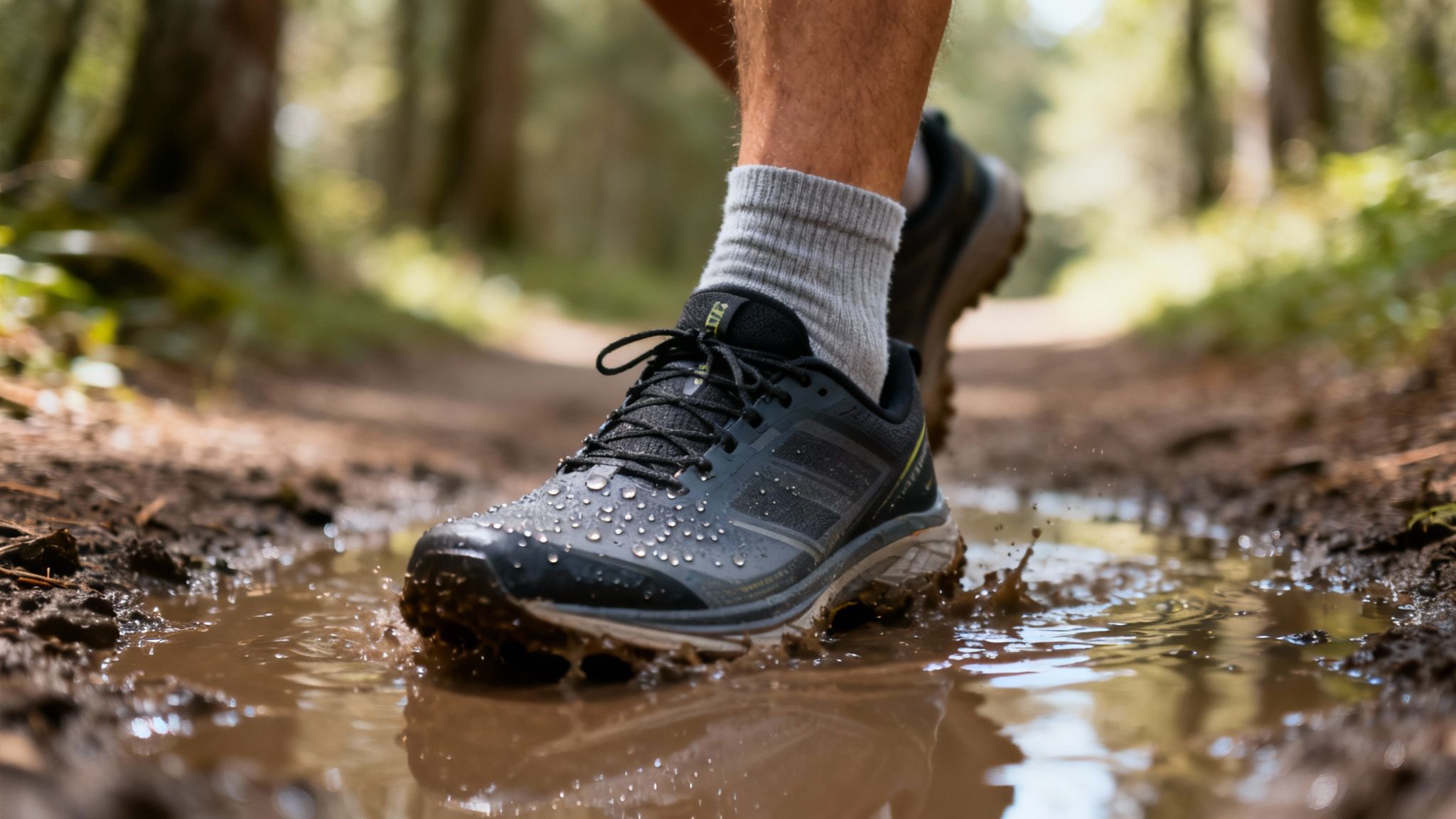
Facing a muddy path or sudden downpour shouldn't kill your confidence. The right waterproof trail runners are a critical tool for keeping you healthy and moving forward. Think of it as an investment in your most valuable asset: your feet.
Keeping feet dry is your number one defense against blisters. Moisture softens skin, making it vulnerable to friction that causes painful sores. A waterproof shoe acts as a barrier, keeping external wetness out.
To really double down on blister prevention, you can also find the best running socks to prevent blisters today. The combination of a great shoe and the right sock is unbeatable.
Performance In Any Condition
Beyond stopping blisters, waterproof shoes make a world of difference for your comfort, especially in cold or variable weather. Wet feet get cold fast, leading to discomfort and even numbness. By keeping water out, these shoes help your feet stay at a comfortable temperature, letting you focus on the trail.
Knowing your feet are protected is a huge confidence booster. It empowers you to tackle any trail, any day.
This specialized gear is catching on. The global trail running shoe market hit about USD 8.44 billion in 2024 and is expected to jump to USD 14.57 billion by 2033 (Market Research Future, 2024). Waterproof models carry a price premium of roughly 10–16% over standard versions due to advanced tech like sealed seams and specialized membranes.
Remember, the "best" waterproof trail running shoe is personal. The perfect pair hinges on your foot shape, terrain, and climate. This guide is here to help you make a smart choice.
How Waterproof Shoe Technology Actually Works
Ever wondered how the best waterproof trail running shoes keep your feet bone dry without feeling like a plastic bag? The secret is a high tech waterproof membrane in the shoe's upper. Think of it as a smart gatekeeper for your feet.
This membrane has millions of microscopic pores, about 20,000 times smaller than a water droplet, so rain can't get in. But these pores are also 700 times larger than a molecule of sweat vapor. This design lets heat and moisture escape, keeping you dry and comfortable from the inside out (GORE-TEX Brand, n.d.).

The Key Players In Waterproof Membranes
When you think waterproof, GORE-TEX comes to mind. They’ve set the standard for reliable, breathable, waterproof performance. But they aren't the only game in town.
You'll see different GORE-TEX setups in trail shoes:
GORE-TEX Invisible Fit: The membrane is bonded directly to the upper for a lighter, more flexible feel, much like a regular shoe.
Standard GORE-TEX Bootie: A traditional sock like liner inside the shoe, offering rugged protection.
Many top running brands have developed their own impressive waterproof tech, like Salomon's ClimaSalomon™ Waterproof. These proprietary materials are engineered to balance water resistance, breathability, and flexibility for their specific shoe designs.
The core principle is the same: block liquid water from getting in while letting sweat vapor out. Understanding that helps you cut through marketing jargon and know how a shoe will perform.
Beyond The Membrane
A waterproof membrane needs a good supporting cast. The shoe’s upper materials are almost always treated with a Durable Water Repellent (DWR) coating, making water bead up and roll off.
Manufacturers also use seam sealing to cover tiny holes left by stitching, ensuring no weak spots for water entry. While most waterproof trail shoes have these systems built in, some runners add an extra layer of defense with a premium sneaker protector spray. This can boost water repellency and help the DWR coating last longer. It’s this combination, membrane, treated uppers, and sealed seams, that creates a complete system to keep your feet dry.
The Great Debate: Breathability Versus Waterproofing
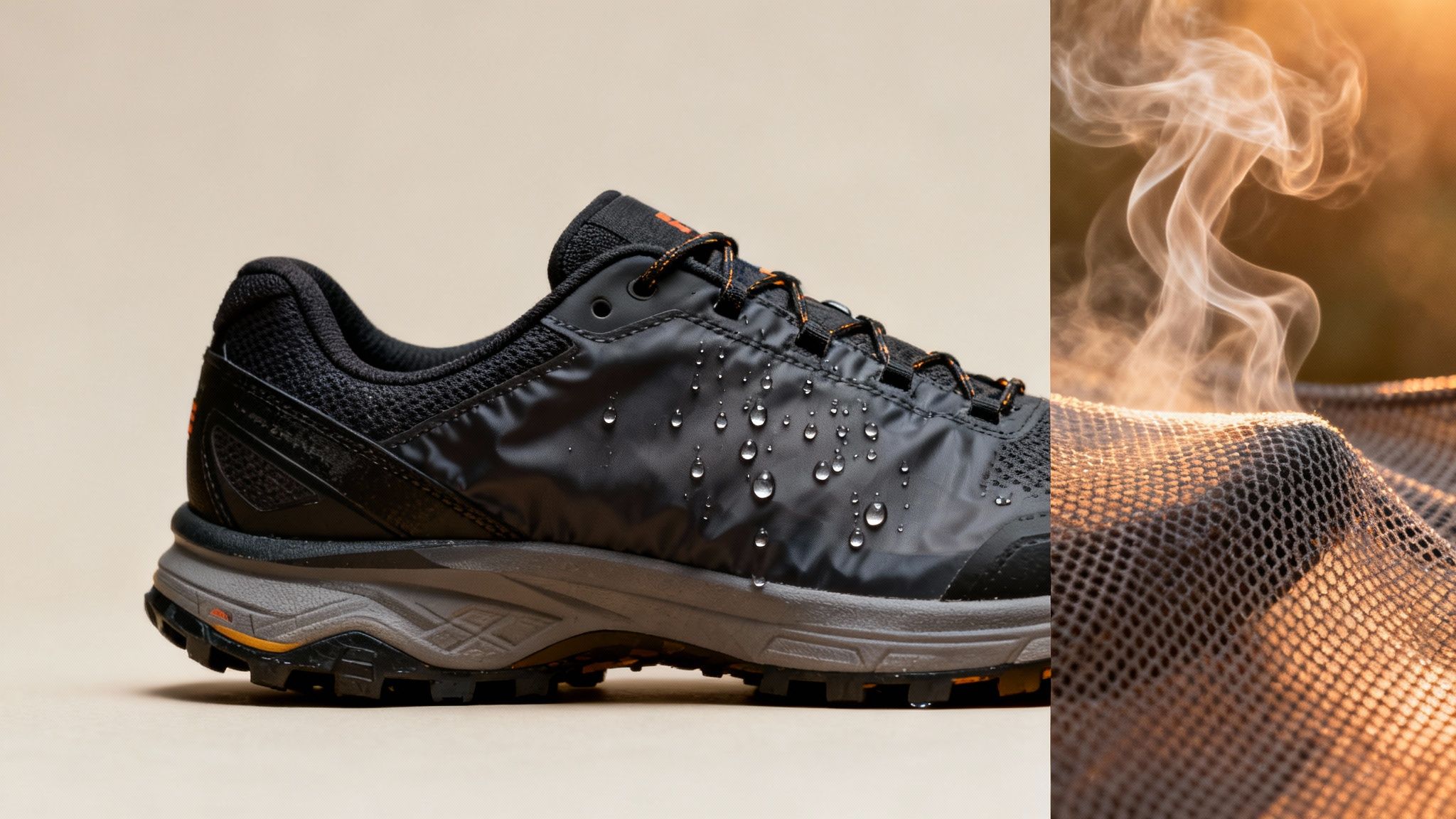
When shopping for waterproof trail runners, you'll encounter the biggest compromise: keeping water out versus letting sweat escape. It’s a balancing act. A totally sealed shoe would be 100% waterproof but feel like a plastic bag. The art is finding the right balance for how you run.
Even the most advanced waterproof membranes are less breathable than a simple, open mesh upper. It's physics. Adding a layer to block water inevitably traps some air and moisture. This means your feet will feel warmer in a waterproof shoe, a plus on cold days but a drag in summer heat.
Understanding The Performance Trade Off
Let's get into the nitty-gritty. Waterproof shoes are champs at stopping rain and puddles, but they are notoriously slow to dry from the inside. If you plunge your foot into a creek over the ankle cuff, that water is now trapped. You’re stuck with a sloshing, waterlogged feeling.
Lab tests back this up. Waterproof membranes ace water resistance tests, often rated for 10,000–20,000 mm of water pressure. But those same tests show lower breathability and slow drying once the inside gets wet. For more data, see the performance test insights on RunRepeat.com.
Choosing between waterproof and breathable isn't about which is "better." It's about which is better for the specific conditions you'll face on your run.
Scenarios Where Waterproofing Is A Must
For some runs, the benefits of staying dry are a no-brainer.
Cold, Slushy Winter Runs: In freezing temps, slush, or snow, wet feet can get dangerously cold, leading to numbness or frostbite.
Constant Rain or Drizzle: A waterproof membrane stops that slow, steady soak-through that causes soggy socks and blisters.
Muddy and Boggy Trails: Keeping muck out is key to a happy run when your favorite trail turns into a swamp.
When To Let Your Feet Breathe Instead
On the flip side, a non waterproof, super breathable shoe is often the smarter call.
Hot, Humid Climates: In warm weather, a breathable shoe lets sweat evaporate, keeping feet cooler and drier from the inside.
Runs with Deep Water Crossings: If you're wading through deep streams, water is getting in no matter what. A breathable shoe will drain and dry quickly, while a waterproof one will hold water like a bucket.
Finding the Right Grip for Your Terrain
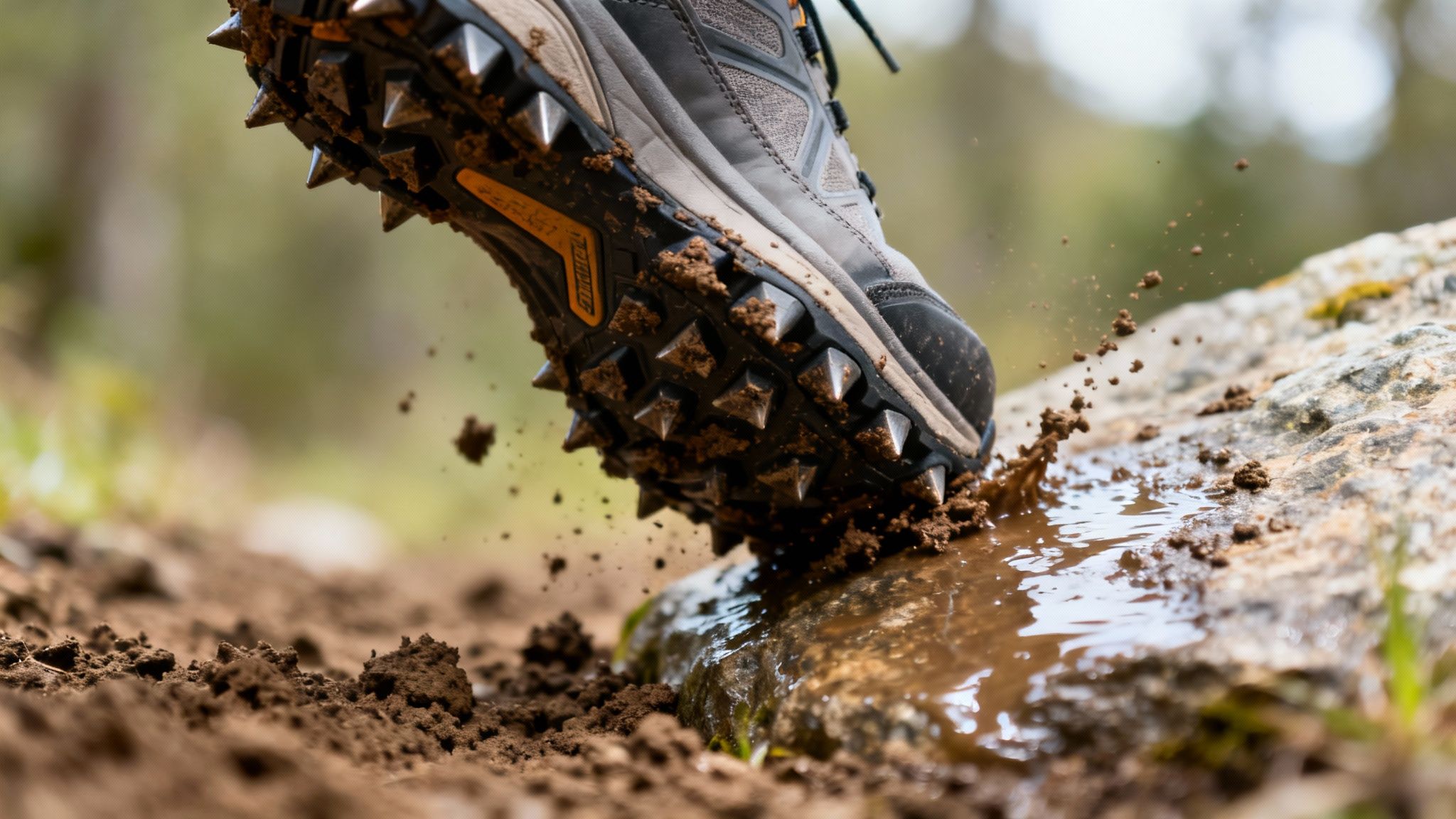
While a waterproof membrane keeps your feet dry, the outsole keeps you upright. Your shoe’s grip is everything. It's your link to the ground and isn't a universal fit for everyone. A trail shoe’s outsole is built to tackle unpredictable surfaces, from slick rocks to deep mud.
Think of outsoles like truck tires. You wouldn’t use racing tires for mudding. The outsole's design, from the rubber compound to the tread shape, dictates how confidently you can handle different environments.
Decoding Lugs and Rubber Compounds
Those rubber knobs on the bottom are lugs, and they’re the teeth that bite into the trail.
Deep, Widely Spaced Lugs: These are your mud terrain tires. They dig deep into soft ground like mud or snow, and the wide spacing helps shed mud so the outsole doesn't turn into a slippery brick.
Shallow, Tightly Spaced Lugs: These are like all season tires, perfect for hard-packed dirt, gravel, and occasional pavement. They provide a smoother ride on firm ground where deep lugs feel awkward.
The rubber is just as critical. Softer, stickier rubber grips incredibly well on wet rocks and roots but wears out faster than firmer, more durable compounds.
Match your shoe's outsole to the terrain you run most often. An aggressive, mud-specific shoe feels clumsy on a dry, rocky trail, while a hard-packed specialist will leave you slipping in the wet.
Leading Outsole Technologies
Many top trail shoes feature outsoles from specialized companies. Vibram is a big name, and their Megagrip compound is the gold standard for traction on wet and dry surfaces, balancing sticky grip with durability.
But shoe brands also develop impressive proprietary outsoles. Salomon’s Contagrip® and Brooks’ TrailTack rubber are engineered for reliable performance across a range of conditions. These in house compounds are often designed to work with the shoe's specific cushioning and stability, creating a complete system from the ground up.

How To Find Your Perfect Fit and Feel
All the tech in the world means nothing if the shoe doesn’t fit. A bad fit leads to blisters, hotspots, and a miserable time. Getting it right is everything. For more on avoiding friction sores, this guide on how to prevent blisters when hiking is invaluable.
With waterproof shoes, be extra picky. The inner membrane takes up space, often making them feel snugger than the non waterproof version. You want a shoe that feels like part of you.
Decoding Shoe Geometry: Stack Height and Drop
Two key terms describe how a shoe is built: stack height and heel-to-toe drop.
Stack Height: This is the amount of cushion between you and the trail. A high stack is great for long-run comfort, while a low stack provides better ground-feel on technical terrain.
Heel-to-Toe Drop: This is the height difference between your heel and forefoot. A high drop (8mm+) favors a heel-striking stride. A low or zero drop (0-4mm) encourages a more midfoot or forefoot landing.
There’s no "right" answer, it's about what your body prefers. If you’re new to low-drop shoes, transition slowly to allow your calves and Achilles tendons to adapt.
The perfect fit is a combination of length, width, volume, and how the shoe’s geometry works with your biomechanics. Getting this right is the secret to happy miles.
Actionable Tips for the Perfect Fit
Finding the "Cinderella" shoe takes effort. For a full breakdown, check our expert guide on how to choose running shoes.
Here are a few pro tips:
Shop in the Afternoon: Your feet swell during the day. Trying on shoes later ensures a fit that’s comfortable when your feet expand mid run.
Bring Your Running Socks: The thickness of your actual running socks makes a huge difference in fit.
Check for Space: You need about a thumb's width of room between your longest toe and the end of the shoe to prevent toe-smash on downhills.
Secure the Heel: Your heel should feel snug with minimal slipping. Use the extra eyelet for a "runner's loop" if needed.
Consider Width: Look for a wider toebox that allows your toes to spread naturally, providing a more stable base.
Top Shoe Picks For Men And Women
Now that we’ve covered the fundamentals, let's look at some of the best waterproof trail running shoes. We'll connect standout models to the types of runners and terrains they’re built for.
Choosing the right size is more than knowing your number; account for foot swell and sock thickness. This chart breaks down a simple process to get it right.
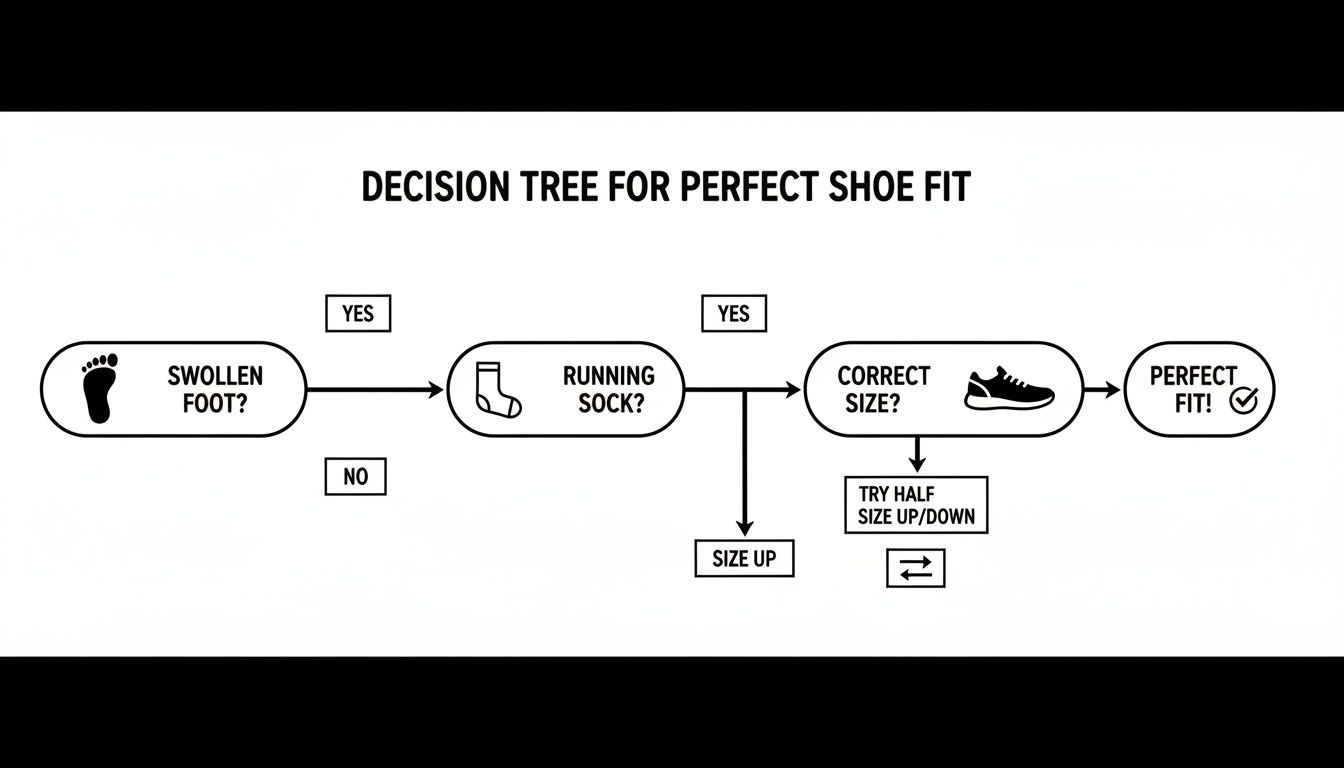
The main point is simple: a good fit is about more than just length.
For The All Round Adventurer
Many of us need a solid workhorse shoe that can handle everything from groomed trails to rugged single track. For this, you want balanced cushioning and a versatile outsole.
The Brooks Cascadia GTX is a classic, legendary for its stability and smooth ride. The GORE-TEX Invisible Fit membrane provides top notch waterproofing without feeling bulky. Its TrailTack rubber outsole offers dependable grip on wet or dry ground, making it a fantastic choice.
Demand for such shoes is rising. The North America trail running shoe market was valued at USD 2.31 billion in 2023 and is expected to grow 7.1% annually through 2030, driven by demand for features like water resistance (Grand View Research, 2023).
For The Long-Distance Grinder
When runs last for hours, cushioning is king. Max cushion shoes are built to absorb repetitive impact, saving your joints over ultra distances.
The Hoka Speedgoat 5 GTX is a beast in this category. It combines a huge stack of soft foam with an aggressive Vibram Megagrip outsole. You get an incredibly forgiving ride without compromising traction, even on slippery rocks or muddy downhills. It’s the go-to for runners who prioritize comfort on their longest days.
Choose a shoe that aligns with your running style. An all rounder provides flexibility, while a specialist model offers superior performance for specific conditions like ultra marathons.
For The Technical Terrain Specialist
If your fun involves scrambling over rocky ridges and tackling steep, unpredictable trails, you need a shoe built for precision. These models usually have a low to the ground feel, sticky rubber, and a snug fit.
The Salomon Speedcross 6 GORE-TEX shines here. Its deep, chevron shaped lugs are unmatched in deep mud and on soft ground. The SensiFit™ construction wraps your foot, giving you confidence to move fast and securely through the trickiest terrain. It's not for hard packed roads, but when things get sloppy, it's in a league of its own.
For more recommendations, check our guide on the best trail running shoes for your ultimate buyer's guide.

Frequently Asked Questions
It's natural to have questions before buying specialized gear like waterproof trail runners. Let's tackle some common ones.
Are Waterproof Trail Running Shoes Worth The Extra Cost?
If you frequently run in wet, muddy, or slushy conditions, absolutely. The higher price pays for membrane technology that prevents blisters and keeps you comfortable. If you live in a dry climate, you're likely better off with a more breathable, non-waterproof shoe.
How Should I Clean My Waterproof Trail Shoes?
Proper care is key to making the waterproofing last.
Get the Gunk Off: Use a soft brush and cool water to scrub mud and dirt off the upper and sole.
No Harsh Stuff: Avoid strong detergents or soaps; they can strip the DWR coating and harm the membrane.
Let Them Air Dry: Never use direct heat. Stuff them with newspaper to absorb moisture and let them dry naturally at room temperature.
These simple steps will significantly extend the life of your shoes' waterproof performance.
Can I Use These Shoes For Hiking?
For sure. Many hikers prefer waterproof trail runners for their lightweight and nimble feel on day hikes or minimalist "fast packing" trips. However, for multi day backpacking with a heavy pack, a proper hiking boot offers better ankle support and durability.
Do Waterproof Shoes Make Your Feet Sweat More?
They can. Even though waterproof membranes are designed to be breathable, they're less airy than the open mesh on a standard shoe. This is more noticeable in warm weather. A good pair of moisture-wicking socks made from merino wool or a quality synthetic fabric is your secret weapon. Avoid cotton, as it soaks up sweat and will leave your feet feeling damp and clammy.
References
GORE-TEX Brand. (n.d.). How Does GORE-TEX Fabric Work? Retrieved from https://www.gore-tex.com/technology/how-it-works
Grand View Research. (2023). Trail Running Shoes Market Size, Share & Trends Analysis Report. Retrieved from https://www.grandviewresearch.com/industry-analysis/trail-running-shoes-market-report
Market Research Future. (2024). Trail Running Shoes Market Research Report - Global Forecast till 2033. Retrieved from https://www.marketresearchfuture.com/reports/trail-running-shoes-market-19811
At Flourish-Everyday, we are your go-to destination for expert advice on the best running shoes and essential health and fitness information. Explore our guides to find the perfect gear to support your active lifestyle. https://www.flourish-everyday.com