Best Shoes for Heel Spurs: 2026 Guide & Expert Tips

I don't see many articles on heel spurs. It is a problem that many active people deal with on a daily basis. It starts with that first step out of bed, which can feel like a nail under your heel. You stand up, shift weight forward, and that sharp jab changes the whole morning. If you run, lift, coach classes, or spend long hours on your feet, heel spur pain doesn't stay confined to one step. It changes how you squat, how you walk the dog, how long you stay on the treadmill, and whether you want to move at all. For your convenience, I have attached links to help you. The links also include the latest product discounts. Thanks.

The good news is that surgical intervention is often unnecessary for meaningful relief, as approximately 90% of individuals with heel spurs achieve pain relief through non-surgical interventions centered on supportive footwear, orthotics, and targeted exercises according to Aetrex's heel spur overview. That's why shoes for heel spurs aren't just a comfort purchase. They're part of treatment.
You're likely here for one of a few reasons: your running shoes suddenly feel too harsh, your gym shoes feel stable but unforgiving, or your “comfortable” everyday pair still leaves your heel throbbing by afternoon.
This guide tackles the practical side of that problem. You'll find clear explanations of what's hurting, the shoe features that matter, brand by brand athletic picks for men and women, fitting advice, inserts, recovery work, and the indoor-shoe question that trips up a lot of active people.

Guide
Your First Step Towards Pain-Free Movement
Heel spur pain often shows up in a familiar pattern. Morning hurts. The first few steps are rough. Then things loosen a bit, only to flare again after a run, a lifting session, or a day on hard floors. That pattern makes many people think the spur itself is suddenly “digging in” more each day.
In practice, the smarter target is load management. Footwear changes how much force reaches the heel, how the arch behaves under fatigue, and how much tension pulls through the back or bottom of the calcaneus. When your shoe works with your foot instead of against it, daily movement gets easier fast.
A lot of active adults make one of two mistakes. They either keep wearing a flat, low-cushion trainer because it feels “natural,” or they switch to a soft shoe that feels plush in the store but collapses once they start moving. Neither solves the core problem.
Practical rule: If your heel pain spikes during walking, running, or standing, your shoe is part of the treatment plan, not an accessory.
Good shoes for heel spurs usually do three things well. They cushion landing, support the foot so the plantar fascia isn't overworked, and reduce direct pressure on irritated tissue. For runners and gym-goers, that means your best option often isn't a generic walking shoe. It's an athletic model with enough stack, enough drop, and enough structure to keep you moving without aggravating the heel.
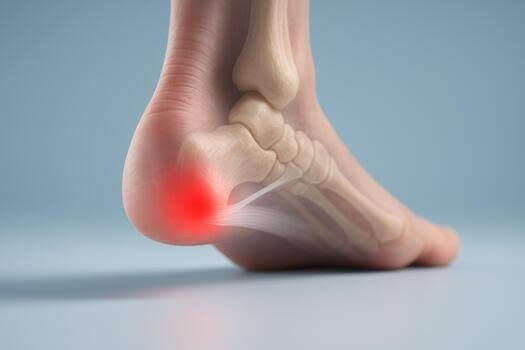
What Are Heel Spurs and Why Do They Hurt
A heel spur is a permanent bony growth on the calcaneus where the plantar fascia attaches. That sounds alarming, but the presence of the spur doesn't automatically mean severe pain. The bony growth is often less important than the irritated tissue around it.
It's like a thumbtack under a rug. The tack exists, but pain depends on pressure and irritation. In heel spurs, that irritation usually involves the plantar fascia or, in some cases, the Achilles insertion at the back of the heel.

The pain source most people miss
The goal isn't usually to “remove the spur.” The goal is to reduce the stress that keeps surrounding tissue inflamed. That shift matters because it leads you toward solutions that work in real life: better footwear, better load distribution, and less repeated pulling on irritated structures.
If your pain is under the heel, the plantar side is usually the issue. If pain sits at the back of the heel and the shoe itself feels like it's rubbing a hard bump, you may be dealing with a posterior heel spur pattern. Those two situations need different shoe details, even when the overall goal is the same.

Why activity can make it worse
Running, jumping, long walks, and high volume gym sessions all increase repeated loading. A poor shoe multiplies that stress. A well designed one spreads it out.
That's why the “best” shoe for heel spurs isn't always the lightest or most flexible. For many active people, the better choice is the one that lowers pressure on the irritated area and keeps the foot from collapsing into mechanics that tug on the heel all day.
The spur may be permanent. The pain pattern doesn't have to be.
Key Shoe Features That Alleviate Heel Pain
The right shoe changes mechanics. It doesn't erase the spur, but it can reduce the forces that keep the heel angry. For this reason, details are important.

Heel height and drop
Clinical studies demonstrate that raising heel height to 2cm for men and 3cm for women is sufficient to decrease calcaneal pain, and open back footwear or shoes with soft foam heel counters are recommended to eliminate direct pressure on posterior heel spurs according to this clinical review on heel pain and footwear.
That finding helps explain why very flat shoes often feel brutal during a flare. A moderate heel rise can reduce strain and change how force travels through the heel. For active footwear, I usually want enough heel-to-toe drop to avoid excessive pull at the back of the heel, especially for runners with Achilles tightness.
If you want a deeper breakdown of how this works in athletic footwear, this guide on heel-to-toe drop and why it matters for your run is worth reading.
Cushioning that protects without collapsing
Soft isn't enough. The shoe needs cushioning that takes the edge off impact without letting the heel sink and wobble. A dense, stable midsole usually beats marshmallow-soft foam for all-day heel pain.
Look for these traits:
Deep heel cushioning: Reduces the harshness of landing under the calcaneus.
Stable platform: Helps keep the foot from rolling and re-irritating tissue.
Consistent feel through the stride: A shoe shouldn't feel great at step one and unstable by step one thousand.
For people with more severe symptoms, an off-loading shoe guide can help you understand when shifting pressure away from a painful region becomes the priority.
Heel counter and upper design
A rigid heel counter can be helpful for plantar-side pain if it improves rearfoot stability. It can be terrible for posterior heel spurs if it presses directly onto the bony prominence. That's the trade off. Stability helps some people. Direct pressure hurts others.
For posterior heel pain, prioritize:
Soft foam backed heel counters
Open back options when casual wear is possible
Padded collars that don't bite into the heel
Arch support and removable insoles
The arch doesn't need to be aggressively propped up. It needs to be supported enough that the plantar fascia isn't doing extra work every step. Shoes with removable insoles make this much easier because you can add structured inserts or heel cups when needed.
A wide toe box also helps. It won't directly “treat” the spur, but it keeps the foot from being squeezed into a less stable position and improves comfort during long wear.

2026 Review Top Shoes for Heel Spurs by Activity
For active people, the best shoes for heel spurs depend on what you're asking them to do. Running shoes can prioritize shock reduction and rollover. Gym shoes need a harder balance between cushioning and control.
Board-certified podiatrists recommend shoes for heel spurs with a heel stack height of 28–40mm and cushioning materials that return approximately 60–70% of impact energy, combined with a heel-to-toe drop of 8–12mm to reduce Achilles tensile load according to Michigan Foot Doctors' guidance on shoe design for heel spurs.
Top athletic picks at a glance
Shoe Model | Best For | Key Feature | Heel Drop (mm) |
|---|---|---|---|
Max cushioning with high stack | 8–12 | ||
Plush cushioning and smoother transitions | 8–12 | ||
Soft ride with supportive platform | 8–12 |
Best running choices for men and women
For plantar-side heel spur pain, the strongest pattern is clear. Maximum cushion running shoes with a 10–12mm drop and a 30+ mm heel stack are repeatedly singled out as top choices, including the Hoka Bondi 9, ASICS Gel-Nimbus, and Brooks Glycerin in the verified data above.
The Hoka Bondi 9 is the pick I'd lean toward when someone says, “I just need the ground to stop feeling so hard.” It's a strong option for road running, walking volume, and post-workout wear because it separates your heel from hard surfaces better than standard trainers.
The ASICS Gel-Nimbus works well for runners who want cushioning but still care about a smoother, less blocky transition. It tends to suit people who dislike overly stiff-feeling max shoes.
The Brooks Glycerin is the compromise pair. It usually appeals to the person who wants cushion, but not a shoe that feels oversized or awkward off the run.
If running is your main trigger, start with a max-cushion model before you experiment with minimalist or low drop options.
If treadmill work is part of your routine, this guide to best shoes for treadmill running can help you choose a pair that handles repetitive indoor mileage more comfortably.

Best gym and cross-training use
Heel spurs make gym shoe selection trickier. A flat lifting shoe may improve force transfer for heavy lifts, but during a heel flare it can feel unforgiving. On the other hand, a very soft running shoe may reduce pain during warm-ups yet feel unstable for loaded squats, carries, and lateral work.
For mixed training days, I'd use this approach:
Running or cardio-heavy sessions: Choose Bondi 8, Gel-Nimbus, or Glycerin.
Strength-focused sessions with minimal impact: Use a stable trainer only if your heel tolerates firmer ground feel.
Hybrid workouts: Start in a cushioned shoe, then switch if you need more platform control for heavy lifts.
What doesn't work well
Some shoes feel fine in the store and fail in everyday use.
Very flat trainers: They often increase stress at the heel.
Ultra-soft slip-ons: Nice for ten minutes, poor for structure.
Rigid heel backs on posterior heel spurs: A direct recipe for rubbing and irritation.
The best athletic shoe is the one that matches both your pain pattern and your training style.
The Complete Guide to Fitting Shoes and Using Inserts
A great model in the wrong size is still a bad shoe. Fit decides whether the cushioning and support work for your foot.
Use a simple fitting routine:
Shop later in the day: Feet usually feel larger after activity and standing.
Wear your real socks: Don't test with thin store socks if you train in cushioned ones.
Check toe room: You want space in front without sliding inside the shoe.
Walk and turn: Straight-line comfort isn't enough. Test corners and short pivots.
Notice heel contact: The back of the shoe should feel secure, not abrasive.
A good fit should feel controlled through the midfoot, roomy at the forefoot, and calm at the heel. If a shoe needs “breaking in” at the painful spot, skip it.
For posterior heel spurs, open-back footwear or shoes with soft, foam-backed heel counters significantly reduce direct pressure on the bony prominence. Using heel lifts inside supportive footwear can also decrease Achilles tendon tension, as explained in Michigan Foot Doctors' advice on shoe modifications for heel spurs.
That leads to a practical hierarchy:
Gel heel cups: Good for extra under heel cushioning.
Structured over the counter arch supports: Better when your foot collapses or feels unstable.
Heel lifts: Useful when posterior heel tension is part of the problem.
Custom orthotics: Worth discussing if repeated shoe changes still don't settle things down.
If you need shoes that can accommodate inserts without crowding your foot, look through this roundup of orthotic-friendly shoes.
Posterior heel spur fitting changes
Posterior heel pain needs a different mindset than plantar-side pain. You're not just cushioning the bottom of the foot. You're protecting the back of the heel from friction and pressure.
That means the “best fit” may include a shoe that's slightly more forgiving around the collar, or even an open back option for non-training hours. The mistake is choosing a firm, structured heel cup that lands directly on the sore bump.
A shoe can be supportive and still be wrong if the back edge keeps striking the painful spot.
Essential Stretches and Self-Care for Heel Recovery
Shoes reduce stress. They don't replace tissue care. If the calf is tight and the plantar fascia is overloaded, footwear works better when it's paired with a short daily recovery routine.

The few moves worth doing consistently
Start with the basics and do them daily during a flare:
Calf wall stretch: Keep the back heel down and the knee straight. This targets the gastroc.
Bent-knee calf stretch: Same setup, but bend the back knee slightly to shift tension lower.
Plantar fascia stretch: Pull the toes back gently while seated until you feel tension through the arch.
Rolling work: A ball or bottle under the foot can calm down stiffness for some people.
The key isn't doing ten different drills. It's doing a few reliable ones often enough that tissue tension starts to drop.
Self-care that supports, not sabotages
Ice can help after activity when the heel feels hot, irritated, or throbbing. Activity modification matters too. That doesn't mean complete rest. It means cutting the type of load that spikes pain while keeping movement in the plan.
Good swaps include reducing jump volume, trimming run distance temporarily, and limiting barefoot walking on hard surfaces. Many people keep aggravating the heel at home even after buying better shoes for outdoor use.
Here's a useful demonstration to pair with your daily routine:
Your Action Plan and Frequently Asked Questions
If you want traction fast, keep it simple. Change the shoe, reduce the irritation, then build back capacity.
A practical action plan
Start with your main trigger: If running hurts most, change your running shoe first.
Prioritize structure over softness: Cushion helps, but collapse doesn't.
Match the pain location: Under-heel pain and back-of-heel pain need different upper and heel-counter decisions.
Add inserts if the shoe is close but not enough: Heel cups, arch supports, or heel lifts can make a good shoe workable.
Stop going barefoot on hard floors: Home habits can undo everything else.
Keep a short stretch routine: Calf and plantar fascia work supports the shoe strategy.
Frequently Asked Questions
Are supportive shoes good enough indoors on tile, or hardwood?
Not always. While supportive shoes are the “single most effective tool,” walking barefoot on hard indoor floors “significantly increases heel pain.” Many “comfort” indoor shoes use soft memory foam without the firm arch support and heel counter rigidity needed to prevent this pain, making over-the-counter or custom inserts essential for many users on hard surfaces, according to this discussion of walking shoes and indoor heel spur pain.
Do I need custom orthotics right away?
No. Many people do well starting with a supportive athletic shoe plus an over-the-counter insert or gel heel cup. If symptoms stay stubborn, custom orthotics may become the next step.
What if heel pain doesn't improve even after changing shoes?
That's when a clinician should look at the bigger picture. Tissue irritation, gait mechanics, and training load all matter. If you're exploring additional non-surgical care for joint related pain patterns, Charlotte's regenerative joint care is one option to review with a qualified provider.
Can I still run or train?
Often yes, but you may need to change volume, surface, or shoe choice for a while. The goal is to keep moving without feeding the irritation cycle.
The shortest version is this: choose shoes for heel spurs that cushion impact, support the arch, respect your pain location, and fit your actual activity. The wrong shoe keeps the heel in a loop. The right one gives it room to settle down. I hope this in-depth artyicle helps. Be well, and have a great workout.
If you want more practical shoe breakdowns for running, CrossFit, cross-training, and everyday foot comfort, visit Flourish-Everyday.
