Best Shoes for CrossFit/Cross-Training: Finding Your Perfect Pair

Finding the right shoes for CrossFit/cross-training is a game-changer. You need something that provides a rock-solid base for heavy lifts but is still flexible enough for explosive, dynamic movements. This article will go in depth to give you expert advice about how to select the perfect pair for you.
The Reebok Nano and Nike Metcon series almost always top the list, and for good reason—they nail this critical balance. Still, the perfect shoe always comes down to your training style, foot shape, and what you do most in the box.
Article Index
Your Foundation for Peak CrossFit Performance
Choosing the right footwear is about so much more than comfort; it's the foundation for your safety and performance. Unlike your everyday running or gym shoes, the best CrossFit shoes are specifically engineered for the wild variety of a Workout of the Day (WOD). They give you a stable platform for Olympic lifts, tough-as-nails durability for rope climbs, and just enough flex for box jumps and burpees.
Investing in a specialized pair is a must for anyone serious about their training. Your shoe is the critical contact point between you and the ground, and it directly impacts how you transfer power, stay balanced, and avoid injury.
Why Specialized Footwear Matters
The demands of CrossFit/cross-training shoes are truly unique. One minute you’re pulling a heavy deadlift, and the next you’re sprinting across the floor. This variety calls for a shoe that can handle it all without compromising on performance.
Stability for Lifting: CrossFit/cross-training shoes feature a firm, flat sole with minimal cushion. This creates a solid platform, stopping your foot from compressing under a heavy barbell and making sure all your power goes straight into the lift.
Durability for High-Wear Movements: Features like reinforced rubber outsoles and tough upper materials are built to survive the abuse of movements like rope climbs and burpees.
Versatility for Metcons: While stable, they keep enough flexibility in the forefoot to allow for natural movement during sprints, double-unders, and other agile exercises.
The demand for this kind of specialized shoe has exploded right alongside the sport itself. In 2024, the global CrossFit market was valued at USD 2.8 billion and is expected to climb to around USD 4.5 billion by 2032 (Future Data Stats, 2024). As more boxes open, the need for gear that can keep up has skyrocketed. You can dig deeper into the numbers behind the CrossFit market's growth on futuredatastats.com.
The right shoe isn’t just equipment; it's a tool that enhances your connection to the ground, improving both your performance and safety during every single rep.
This guide will give you a clear roadmap to the detailed analysis ahead, so you can feel confident you’re picking the perfect pair for your goals.
Before we dive into the nitty-gritty of each shoe model, this quick table breaks down the main categories you'll encounter. It’s a great starting point for figuring out which type of shoe aligns best with your training focus.
Quick Guide to Top CrossFit/Cross-Training Shoe Features
By understanding these core categories, you'll be better prepared to weigh the pros and cons of specific shoes in the detailed comparisons that follow.
Decoding the Anatomy of a CrossFit/Cross-Training shoes Shoe
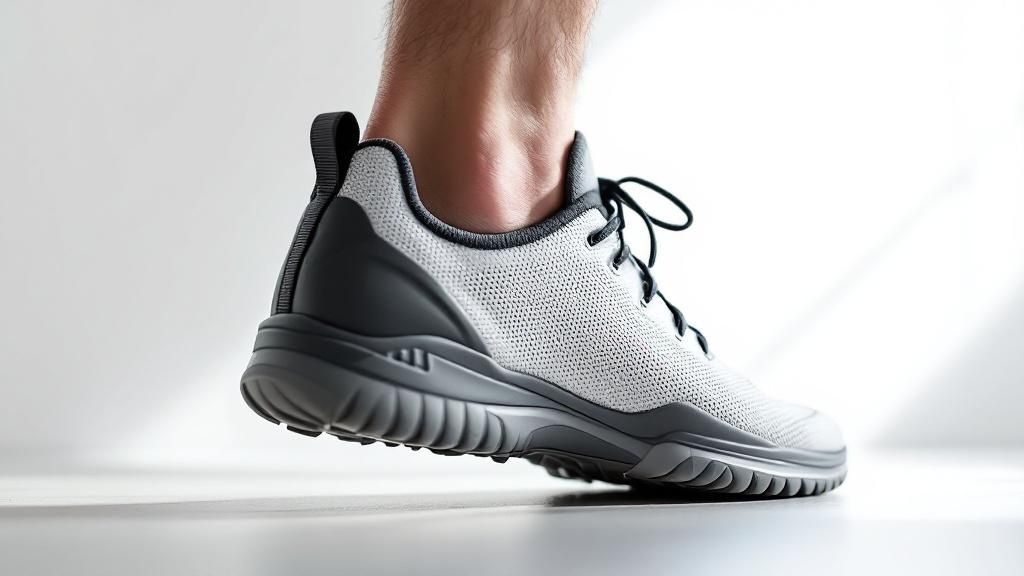
Before you can pick the best shoes for your WODs, you have to know what makes a CrossFit/cross-training shoe different from your average running sneaker. A true CrossFit/cross-training shoe isn't just footwear; it's a piece of specialized equipment. Every single part is engineered to handle the crazy mix of demands the sport throws at you, from heavy barbell work to all-out sprints.
Getting a handle on these technical details lets you see past the brand names and flashy marketing. It gives you the power to spot the small but crucial differences between models, helping you make a choice that actually supports your performance and keeps you safe in the box.
The Critical Heel-to-Toe Drop
One of the biggest giveaways of a CrossFit/cross-training shoe is its heel-to-toe drop. This is just the height difference between your heel and your forefoot. Running shoes often have a high drop (8mm or more) to push you forward, but CrossFit/cross-training shoes are built differently.
Most of the top CrossFit/cross-training shoes keep the drop between 0mm and 4mm. This creates a flatter, more stable base that connects you to the ground. When you're doing Olympic lifts like squats and deadlifts, that low profile is everything—it helps you drive force through your heels, stay balanced, and fire up the right muscles for maximum power. A low drop is the foundation of solid lifting.
A low heel-to-toe drop is non-negotiable for serious lifting. It promotes a natural stance and provides the stability needed to safely manage heavy loads, directly translating to better form and performance.
The Versatile Outsole
The outsole is where the rubber meets the road—or in this case, the gym floor. Its design is vital for both grip and durability. Unlike regular sneakers, CrossFit/cross-training shoes outsoles are complex. They need to lock you down for a heavy lift but also let you pivot and jump without missing a beat.
Here’s what to look for in a great outsole:
Multi-Directional Tread: You need patterns that grip not just forward and back, but side-to-side for all those agility drills.
Rope Guards: These are tough, textured panels on the inside of the shoe. They're lifesavers, protecting your shoes from friction and giving you a death grip during rope climbs.
Wide, Flat Base: A bigger footprint, especially at the heel, means more contact with the ground. More contact equals more stability for your lifts.
This blend of features makes sure your feet stay glued to the floor during a heavy clean and jerk but are still nimble enough for quick box jump overs.
Midsole: The Balance of Cushion and Support
The midsole is where shoe engineers really show off their skills. They have to solve a tricky problem: how to provide firm support for lifting while still offering cushion for high-impact movements. If a midsole is too soft, it’ll squish under a heavy barbell, making you unstable. Too rigid, and it'll feel like you're jumping on concrete.
The solution is often dual-density foams. A firmer foam is usually placed in the heel for rock-solid stability during lifts. Up in the forefoot, they use a softer, more responsive foam. This gives you the cushion you need for box jumps and short runs without sacrificing that solid platform for your strength work. The best shoes for CrossFit/cross-training absolutely nail this delicate balance.
Durable and Breathable Upper Materials
Finally, the upper part of the shoe has to take a beating while keeping your feet from overheating. You'll usually find a mix of materials, each with a specific job.
Ripstop Fabrics and TPU Overlays: These super-tough materials are put in high-wear zones to fight off abrasion from rope climbs, burpees, and all the scuffs in between.
Engineered Mesh: This material is used in other spots to let air flow freely, keeping your feet cool and dry even in the middle of a brutal WOD.
A well-designed upper locks your foot down without feeling like a straightjacket. This combo of toughness and breathability means your shoes will last longer and stay comfortable through the gnarliest workouts, making them a smart investment in your fitness.
In-Depth Comparison of Top CrossFit/Cross-Training Shoes
Alright, let's get into the main event: putting the top CrossFit/cross-training shoes to the test. This isn't about finding a single "best" shoe, because that doesn't exist. Instead, we're going to break down the real differences between titans like the Nike Metcon, Reebok Nano, and NOBULL Trainer. By looking at how they're built and how that translates to actual WOD performance, you can figure out which one fits your training style.
We're moving past generic pros and cons here. We’ll look at how the width of a sole genuinely affects your squat stability or how a flexible forefoot makes a world of difference during a set of burpees. Every little detail matters, and this side-by-side comparison will help you see the unique personality of each shoe.
Stability Showdown: The Lifter's Foundation
When you’ve got a heavy barbell on your back, stability is everything. This is where the Nike Metcon series really shines, often feeling more like a dedicated lifting shoe that just happens to be versatile. Its wide, flat heel and removable Hyperlift insert give you an incredibly solid platform, cutting down on compression when you're under a heavy load.
The Reebok Nano gives you a slightly different vibe. It’s got a solid, reliable base but offers a bit more ground feel and a less aggressive heel cup. This keeps it super stable but also makes it a little more forgiving for athletes who like a more natural stance. The NOBULL Trainer sits somewhere in the middle, giving you a firm, dependable base without the extra lifting-focused features of the Metcon.
Nike Metcon: The go-to for lifters who want that locked-in, almost cleat-like feel during squats and deadlifts. That Hyperlift insert is a game-changer for pure strength days.
Reebok Nano: Delivers fantastic all-around stability. Its wider toe box lets your feet splay naturally, which a lot of athletes find actually boosts their balance.
NOBULL Trainer: Takes a minimalist approach to stability, offering a no-frills, solid foundation that gets the job done across the board.
If you live for heavy lifting days, the Metcon’s specialized design gives you a clear edge. But don't count out the Nano—its wider fit offers a different kind of stability that leverages your natural foot mechanics.
This image really drives home how crucial forefoot flexibility is for those dynamic CrossFit movements.
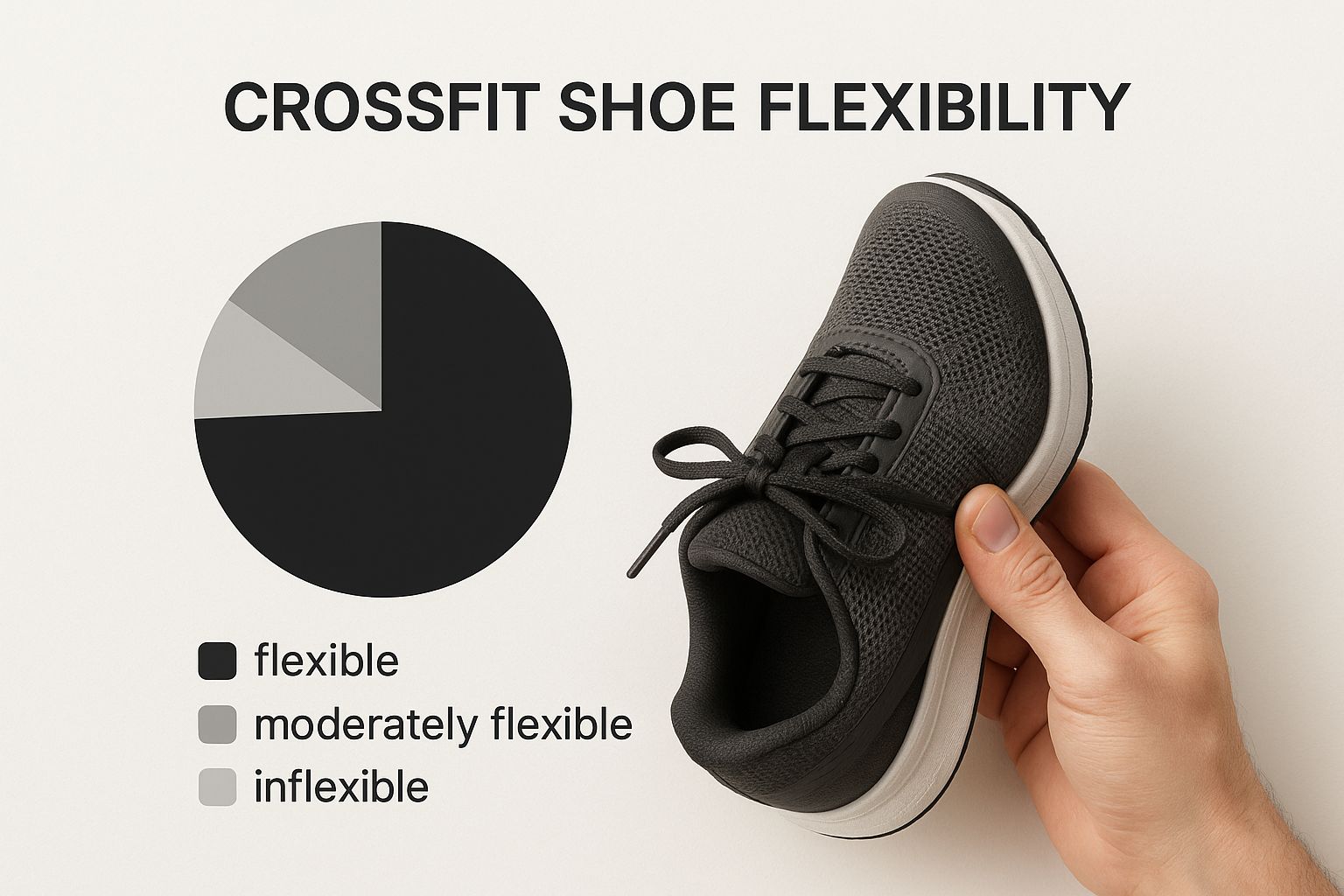
It’s a great reminder that a shoe’s ability to bend with your foot is just as important as its stiffness for lifting.
Flexibility and Agility For Metcon Dominance
While stability is king for lifting, flexibility is what gets you through the metcons. When a WOD is packed with box jumps, double-unders, and sprints, a stiff shoe will just feel clunky and slow you down. This is an area where the Reebok Nano often takes the lead.
The Nano series is famous for its forefoot flexibility, largely thanks to its Floatride Energy Foam that gives you responsive cushioning without feeling mushy. It makes bouncing between different movements feel smooth and explosive. The Nike Metcon, while definitely more flexible than its older versions, can still feel a bit rigid up front because of its intense focus on stability.
The NOBULL Trainer strikes a nice balance. It's flexible enough for most dynamic movements, but you won't get that same springy, cushioned feedback you feel from the Nano. That's the trade-off for its legendary durability. While both cross-training and CrossFit shoes are versatile, you can learn more about the subtle but important distinctions in our guide on uncovering the differences between cross-training and CrossFit shoes.
Side-by-Side CrossFit Shoe Feature Analysis
To make things even clearer, let's put these shoes head-to-head in a table. This gives you a quick snapshot of how they stack up across the most important performance metrics for a CrossFit athlete.
This table helps illustrate the specific trade-offs each shoe makes. The Metcon sacrifices some flexibility for unmatched stability, while the Nano prioritizes that responsive feel for varied workouts. The NOBULL finds a sweet spot in the middle, with a major emphasis on simply outlasting everything else.
The Durability Gauntlet: Surviving the Grind
CrossFit is brutal on gear, and your shoes take the worst of it. Durability is a huge deal, especially when you’re talking about rope climbs and endless burpees. This is where the NOBULL Trainer has built its entire reputation.
Its one-piece SuperFabric® upper is incredibly tough against abrasion, making it the top pick for athletes who are constantly tearing through their shoes. That material is protective, rugged, and just built to survive workout after workout.
The Metcon and Nano are no slouches, either. Both are seriously durable, with reinforced rope guards and tough rubber outsoles. The Metcon’s huge, wrap-around rope guard is especially good, giving you amazing grip and protection. The Nano also holds up really well to friction with its tough upper and redesigned outsole. It often just comes down to which material you prefer the feel of.
The Final Verdict: Price and Use Case
At the end of the day, the right CrossFit shoe comes down to your personal priorities. There’s no perfect shoe for everyone, so you need to match your choice to what you focus on in your training.
Here’s a quick summary to help you decide:
For the Dedicated Lifter: The Nike Metcon is tough to top. Its incredible stability and lifting-specific features make it the best choice for athletes who prioritize strength work.
For the Versatile Athlete: The Reebok Nano is the classic all-rounder. Its mix of stability, flexibility, and comfort makes it a fantastic option for daily WODs that blend lifting, gymnastics, and cardio.
For the Durability Seeker: The NOBULL Trainer is the workhorse of the group. If you value longevity and a simple, tough-as-nails design above all else, this is the shoe for you.
Matching Your Shoe to Your Training Focus
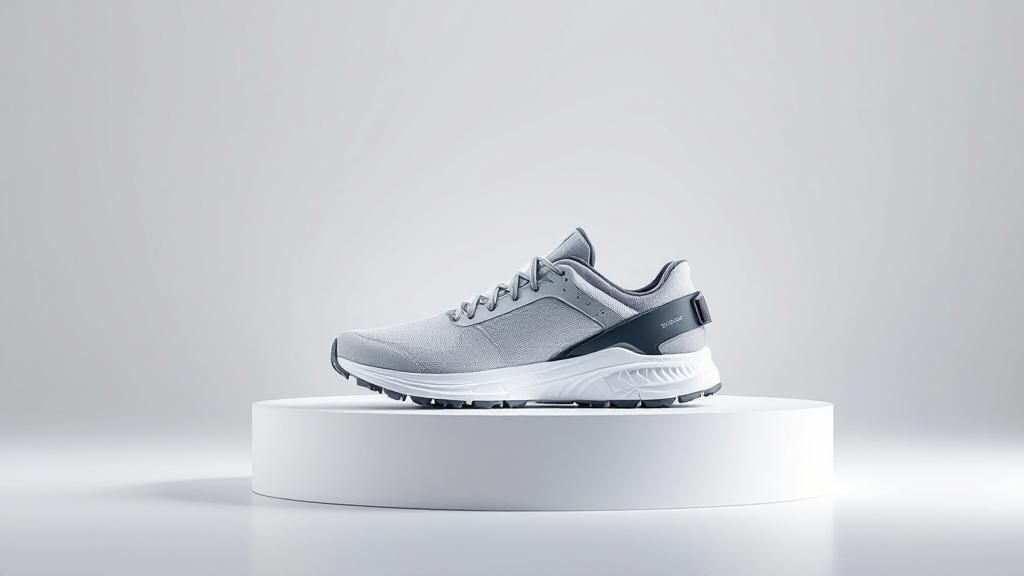
The search for the "best" CrossFit/cross-training shoe isn't about finding one perfect pair that rules them all. It’s about finding the shoe that feels like an extension of your own body, one that supports your specific training style. A shoe that a powerlifter loves might feel totally clunky and slow to an athlete who lives for cardio-heavy WODs.
This is where you have to get personal. By knowing your own strengths—whether you're a dedicated lifter, a metcon machine, or an all-rounder—you can pick footwear that actually helps you hit your performance goals. The right shoe works with you, not against you, during every single workout.
For the Dedicated Lifter
If your best days at the box are spent with a heavy barbell in your hands, stability is your number one priority. For the serious lifter, the goal is a rock-solid, non-compressive platform that lets you transfer every ounce of power from the ground up. You need a shoe that feels completely planted.
Look for these key features:
Minimal Sole Compression: A firm, dense midsole is crucial. It stops the shoe from squishing under a heavy load, giving you a stable base for squats, deadlifts, and Olympic lifts.
Wide, Flat Base: A broader heel and outsole give you more surface area on the ground, creating an incredibly secure foundation.
Supportive Heel Cup: A rigid heel locks your foot in, preventing any side-to-side movement and helping you maintain proper form.
Models like the Nike Metcon, with its wide base and optional Hyperlift inserts, are a favorite among lifters for this very reason. This kind of shoe gives you the confidence to go heavy safely.
For a lifter, the shoe’s primary job is to create an unshakeable connection to the ground. Every ounce of force you generate should go directly into the barbell, and a stable, non-compressive shoe makes that happen.
For the Metcon Specialist
If you live for the fast-paced grind of metabolic conditioning workouts, your needs are totally different. Stability still matters, but you need more cushioning, responsiveness, and flexibility to handle constant, high-impact movements like box jumps, burpees, and double-unders. A shoe that’s too stiff will just slow you down.
The Metcon Specialist should seek out:
Responsive Midsole Cushioning: Look for foams that absorb impact without feeling mushy. You want a springy feel that propels you into the next rep.
Flexible Forefoot: The shoe absolutely has to bend with your foot. This allows for natural movement during runs, jumps, and lunges.
Lightweight Construction: A lighter shoe means less fatigue during those long, grueling WODs, helping you stay quick on your feet from start to finish.
The Reebok Nano series often shines here, offering a great balance of support and bouncy cushioning that’s perfect for metcon-heavy days. Our detailed look at the top-rated CrossFit training shoes can point you toward some other great models.
For the Versatile Athlete
Let's be honest, most of us fall into this category. The versatile athlete loves the "constantly varied" mantra of CrossFit and cross-training and needs a shoe that can handle a bit of everything. You're looking for a true jack-of-all-trades that won’t hold you back, whether the WOD calls for heavy cleans or a 400-meter run.
This athlete needs a balanced shoe that marries stability with agility. You're searching for that sweet spot: a sole firm enough for moderately heavy lifts but flexible enough for sprints and plyometrics. Models like the NOBULL Trainer or the all-rounder versions of the Nano are excellent choices, providing a reliable platform for whatever the whiteboard throws at you.
The demand for this kind of do-it-all footwear is what's driving the massive training shoe market. This market, valued at USD 58.40 billion in 2024, is projected to hit USD 88.80 billion by 2032 (Fortune Business Insights, 2024). The recreational segment—which includes these multi-purpose shoes—is expected to hold a dominant 40.93% share. You can learn more about the training shoes market trends on fortunebusinessinsights.com.
Making Your Final Decision with Confidence
Alright, let's cut through the noise. With all this information, picking the right shoe can feel like a final, brutal WOD. But it doesn't have to be.
The goal isn't to find the one "best" shoe on the market—it’s to find the best shoe for you. Your training style, your priorities, and your typical week at the box are what really matter here. This is about making a smart, confident choice that actually helps your performance, not just following what everyone else is wearing.
A Simple Framework to Nail Your Choice
Let’s simplify this. Think about your training. What do you spend most of your time doing? Are you chasing bigger lifts, or are you trying to crush your metcon times? Your answer will point you straight to the right pair of shoes.
Use this quick guide to narrow down your options:
Are heavy lifts your top priority? If you live for strength days, you need a shoe that provides a solid, stable platform. Models like the Nike Metcon, with their rigid heel and wide base, are built to keep you grounded during squats, deadlifts, and cleans.
Do you live for cardio-heavy WODs? For the athlete who loves Metcons packed with running, box jumps, and burpees, a shoe like the Reebok Nano offers that sweet spot of flexibility and responsive cushioning you need for high-impact movements.
Need a shoe that can take a beating? If you’re training 5-6 days a week and durability is your main concern, the NOBULL Trainer is your workhorse. Its rugged construction is designed to handle endless rope climbs and high-volume workouts without falling apart.
The best shoe isn’t the one with the flashiest tech; it’s the one with the right features for how you train. A quick, honest look at your workouts will always lead you to the perfect pair.
This thought process takes the guesswork out of it. Suddenly, you’re not staring at a dozen different shoes, but a couple of clear contenders built for what you do. For an even closer look at the top models, our guide on unveiling the top cross-training shoes for 2025 has more details.
Practical Steps Before You Pull the Trigger
Once you’ve got it narrowed down to one or two options, don’t just click "buy." A shoe can look perfect online, but if the fit is off, it’s useless. Never skip these final checks.
First off, know that sizing is all over the place between brands. A size 10 in a Metcon might feel totally different from a size 10 Nano. Always check the brand's sizing chart and, more importantly, read reviews. Lifters will almost always mention if a shoe runs big, small, or true to size.
The most important thing you can do is try them on. If you can, go to a store in the afternoon or evening. Your feet swell during the day and especially during a workout, so this gives you a more realistic idea of the fit.
When you're trying them on, move around! Don't just stand there. Do a few air squats to check the heel stability. Do some lunges to test the flexibility in the front. You should have about a half-inch of room between your longest toe and the tip of the shoe—this lets your toes spread out for better balance during lifts.
Knowing When It's Time for a New Pair
Finally, remember that even the toughest CrossFit/cross-training shoes have a lifespan. Pushing them too long is a great way to hurt yourself. A good rule of thumb is that a pair will last you somewhere between six and twelve months, depending on how often you're training.
Keep an eye out for these tell-tale signs of a worn-out shoe:
The Tread is Gone: If the bottom of your shoe is smooth, you've lost the grip you need for box jumps and quick cuts.
The Midsole Feels Dead: The shoe just doesn't feel supportive anymore. You might see compression wrinkles along the sides of the foam.
The Upper is Frayed: Look for tears or serious wear around the rope guard or other high-friction spots.
You Feel Less Stable: If you feel wobbly during lifts when you used to feel locked in, the shoe's internal structure is probably shot.
Replacing your shoes on time isn't just about getting new gear; it's an investment in your safety and performance. A worn-out shoe will compromise your form and could lead to an injury that sets you back for weeks.
Frequently Asked Questions About CrossFit/Cross-Training shoes Footwear
Picking out the right CrossFit/cross-training shoes often brings up a ton of questions. Let's tackle some of the most common ones we hear from athletes to clear up any doubts before you make your choice.
We've gone through all the technical specs and compared the top shoes, but these practical answers should help with the day-to-day realities of using your new gear.
Can I Use Running Shoes for CrossFit/Cross-Training?
You really shouldn't. Running shoes are specifically engineered with soft, squishy soles to absorb the impact of pounding the pavement. That's fantastic for a 5k, but it's downright dangerous for lifting heavy weight.
That thick cushioning creates a wobbly, unstable platform for key movements like squats and deadlifts, which seriously increases your risk of injury. The best CrossFit/cross-training shoes have firm, flat soles that give you a solid connection to the ground for maximum stability and power. While you can handle a short run in a CrossFit shoe, you should never handle a heavy barbell in a running shoe.
How Often Should I Replace My CrossFit/Cross-Training Shoes?
How long your shoes last really depends on how often and how hard you train, but a good rule of thumb is to look for a new pair every 6 to 12 months.
Instead of just watching the calendar, get in the habit of checking for a few key signs of wear and tear.
Worn-Down Outsole: If the tread on the bottom is bald and smooth, you've lost your grip.
Compressed Midsole: The shoe feels flat and unsupportive, and you can often see deep wrinkles in the foam.
Fraying Upper: Keep an eye on high-wear spots like the rope guard and toe box for any rips or serious fraying.
If you start feeling less stable during your lifts, that's a huge red flag. It means the shoe's structure is shot, and it's definitely time for an upgrade.
What Is the Ideal Heel-to-Toe Drop for CrossFit/Cross-Training Shoes?
You want a low heel-to-toe drop, usually somewhere between 0mm and 4mm. This flatter design keeps your feet closer to the ground, which promotes a more natural stance and the solid base you need for heavy lifting. A low drop helps you drive power through your heels way more effectively.
On the other hand, your typical running shoes often have a high drop of 8mm or more. That steep angle can pitch your weight forward, messing with your form during crucial movements and making it harder to stay balanced. This is one of the biggest reasons why having a dedicated CrossFit shoe is so important.
Are More Expensive CrossFit/Cross-Training Shoes Always Better?
Not at all. While the high-end shoes often pack in advanced materials and new tech, the "best" shoe is always the one that fits your foot, your budget, and your training style. You can find plenty of mid-range options that offer all the stability and durability most of us will ever need.
Focus on how it functions, not how much it costs. A secure fit, a stable platform, and a tough outsole are what truly matter. If you're just starting and need more tips on what to look for, check out this great beginner’s guide to CrossFit and what to wear for some practical advice. A well-fitting, functional shoe at a decent price will always be better than an expensive one that isn’t right for you.
Now that you're an expert on Cross-Training and CrossFit trainers, it's time to get out there and have a great workout. Be well. Please click a link to see the latest savings and check out the color selections. Thank you.
References
Fortune Business Insights. (2024). Training Shoes Market Size, Share & COVID-19 Impact Analysis. Retrieved from https://www.fortunebusinessinsights.com/training-shoes-market-110682
Future Data Stats. (2024). CrossFit Market Size, Share, Trends, Growth, and Report 2024-2032. Retrieved from https://www.futuredatastats.com/crossfit-market
At Flourish-Everyday, we are passionate about guiding you to the best gear for your fitness journey. We provide expert reviews and recommendations on the finest cross-training and CrossFit shoes along with the latest fitness trends, to help you perform at your best. https://www.flourish-everyday.com


