Best Running Shoes for Beginners Under $100 Top 5 Picks and Fitting Tips

A large concern for many people who want to begin a workout routine is how much should I spend on a good beginner shoe. Starting a workout routine should not require a $160 pair of shoes. The right beginner running shoe should feel comfortable from the first few runs, support your natural stride, and hold up long enough for you to build consistency.
The good news is that plenty of reliable running shoes sit under $100, especially if you choose entry level models from major brands or shop last season’s colors. The challenge is knowing which budget shoes are actually built for running, and not just gym workouts, or casual wear.
My guide covers five beginner friendly picks, what each one does well, and how to choose the right fit for your feet and running style. I will add a link to the shoes, so you can take advantage of the latest savings and color variations.
Guide Index

What makes a good beginner running shoe under $100
Best running shoes for beginners under $100 does not need fancy race day foam or a carbon plate. It needs to do the basics well.
Look for these features first:
Comfort from the start The shoe should feel natural when walking and jogging. A break in period should be short, not painful.
Enough cushioning for daily runs Beginners often appreciate soft to moderate cushioning because it helps reduce the harsh feel of pavement.
Steady support The shoe should keep your foot centered without feeling stiff or controlling every step.
Durable outsole rubber Budget shoes can wear fast if the outsole is too thin. Check for rubber in high wear areas, especially the heel and forefoot.
Breathable upper Mesh helps keep feet cooler and reduces rubbing during longer efforts.
Prices change often, and sizing or color availability can vary. The shoes below are commonly found under $100, either at regular price or during frequent sales. If a model is close to $100, check older versions or alternate colors for better deals.

The top 5 beginner running shoes under $100
Shoe | Best for | Cushion feel | Support level | Why beginners may like it |
Everyday starter runs | Moderate and stable | Neutral with light guidance | Reliable comfort at a budget price | |
Casual run and walk use | Light to moderate | Neutral | Flexible, simple, and easy to find | |
Road running and gym crossover | Light and responsive | Neutral | Good value for mixed workouts | |
Durable daily training | Moderate and protective | Neutral | Sturdy outsole and traditional fit | |
Soft comfort for easy miles | Soft and smooth | Neutral | Comfortable upper and relaxed ride |
The ASICS Gel-Contend is one of the safest budget picks for new runners because it focuses on comfort and stability rather than flashy features. It usually has a padded heel collar, a breathable mesh upper, and ASICS GEL cushioning in the rearfoot area.
The ride feels steady, not overly soft. That can be helpful for beginners who want protection without a wobbly platform. The outsole also tends to offer solid coverage, which helps with durability on sidewalks, paved paths, and treadmills.
Best for
Easy road runs
Run/walk programs
Beginners who want a stable feel
Runners who prefer a traditional fit
Watch for
The Gel-Contend may feel a little structured compared with softer shoes. If you like a plush, pillow-like ride, try it next to the New Balance Arishi before deciding.
The Nike Downshifter is a simple, lightweight running shoe that works well for beginners who are mixing short runs, walking, and general fitness. It is not packed with premium cushioning, but it offers a flexible feel and a comfortable upper for the price.
This shoe fits best for lighter mileage. Think 1 to 3 mile runs, treadmill sessions, and run/walk workouts. The design is clean and easy to wear outside of running too, which adds value if you want one shoe for casual use and beginner training.
Best for
Short beginner runs
Walking and light jogging
Treadmill workouts
Runners who prefer a flexible shoe
Watch for
The cushioning may feel too minimal for longer runs or heavier impact. If your legs feel beat up after a few sessions, choose a more cushioned option.

The Adidas Duramo SL is a good pick for beginners who want one affordable shoe for running, gym days, and everyday movement. It usually feels light, with a responsive midsole and a breathable upper.
The Duramo SL does not feel like a heavy duty stability shoe. Instead, it gives neutral runners a straightforward ride that works best on roads, tracks, and treadmills. If your weekly routine includes short runs plus strength workouts, it may be more versatile than many traditional running shoes.
Best for
Road runs and gym workouts
Beginners who want a lighter shoe
Short to moderate distances
Neutral foot motion
Watch for
Because it leans versatile, it may not give as much plush cushioning as a dedicated daily trainer. Try it on if you know you like a firmer, more connected feel underfoot.
The Saucony Cohesion has been a budget running staple for years. It is built more like a classic daily trainer, with a supportive upper, decent cushioning, and an outsole that can handle regular pavement miles.
This shoe is a smart choice if durability matters most. Some budget shoes feel great in the store but wear quickly after a month of running. The Cohesion tends to feel more protective and grounded, making it a useful option for beginners building a consistent routine.
Best for
Daily beginner training
Road and sidewalk running
Runners who want a sturdy feel
Run-walk plans with regular weekly use
Watch for
The fit can feel more traditional and less sleek than some modern lightweight shoes. If you prefer a soft, stretchy upper, compare it with the Arishi.
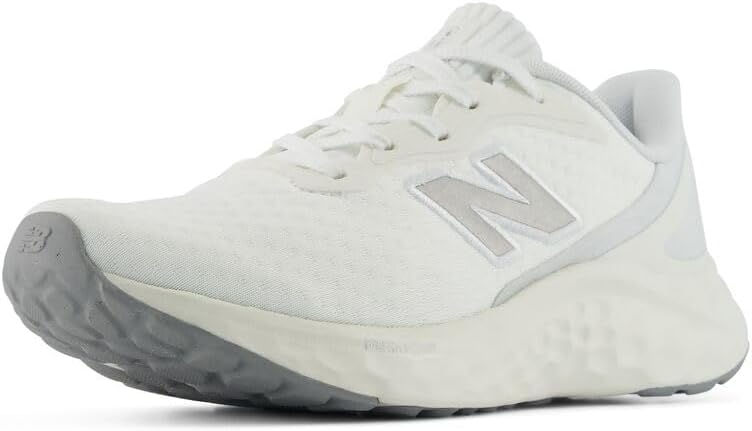
The New Balance Fresh Foam Arishi is a comfortable neutral shoe with a soft ride and an easygoing fit. It works well for beginners who value step in comfort and a smooth feel during relaxed miles.
The upper often feels less restrictive than some structured budget shoes, which can help if your foot needs a little more comfort across the top. New Balance also offers some models in wide widths, depending on the version and retailer, which is helpful for runners who struggle with narrow shoes.
Best for
Easy runs and walks
Beginners who want soft cushioning
Wider feet, if wide sizing is available
Comfortable daily wear
Watch for
The outsole may not feel as rugged as the Saucony Cohesion on rough pavement. If you drag your heels or run on gritty surfaces, check the outsole wear over time.
How to choose the right beginner running shoe
Best running shoes for beginners under $100 are not the same for every runner. Foot shape, running style, and where you run all matter.
Start with your foot type:
Foot type is not only about arch height, but arch height can give you a useful starting point.
Low arches or flat feet
Some runners with low arches feel better in shoes with a stable base or light support. That does not always mean you need a full stability shoe, but you may prefer a shoe that does not feel overly soft or narrow through the middle.
Good options to try include the ASICS Gel-Contend or Saucony Cohesion.
Medium arches
A neutral daily trainer often works well. Most shoes on this list fall into this category, so focus more on comfort, fit, and how the shoe feels during a short jog.
High arches
High arched feet may prefer more cushioning and flexibility. A softer shoe can feel better because the foot may not absorb impact as evenly.
Good options to try include the New Balance Fresh Foam Arishi or Nike Downshifter if you prefer a lighter feel.
Think about your running style
Running style includes pace, distance, foot strike, and the surfaces you use most.
If you run mostly short distances, a lighter shoe like the Nike Downshifter or Adidas Duramo SL may feel great. If you plan to run several days a week, a sturdier daily trainer like the Saucony Cohesion or ASICS Gel-Contend may serve you better.
Also think about impact. Some runners land softly, while others hear a louder foot strike. A louder landing does not mean something is wrong, but it may point you toward more cushioning or a more stable platform.

Match the shoe to your surface
Running on pavement wears shoes faster than treadmill running. Concrete can also feel harsher than asphalt or rubberized tracks.
For pavement, prioritize outsole coverage and cushioning. For treadmill runs, breathability and flexible comfort may matter more. For light gravel or park paths, look for a secure upper and reliable traction. None of the shoes above are true trail shoes, so avoid rocky or muddy routes unless the shoe has enough grip for the conditions.
Do not buy only by looks
Color matters if it helps you enjoy wearing the shoe, but fit matters more. A stylish shoe that rubs your heel or squeezes your toes will not help you build a running habit.
If two shoes feel equally good, then choose the one you like better. Just do not let the look of the shoe win over comfort.
How running shoes should fit
A proper running shoe fit gives your feet room to move while holding them securely. It should not feel sloppy, tight, or painful.
Use below fitting tips before buying.
Leave room in the toe box
Your toes need space because feet can swell during a run. Aim for about a thumb’s width of space between your longest toe and the front of the shoe.
Also check the width. Your toes should spread naturally without pressing hard against the sides. If the upper bulges or your toes feel squeezed, try a wide size or a different model.
Check heel hold
Your heel should feel secure without rubbing. A tiny bit of movement can be normal, but your heel should not lift dramatically with each step.
If the shoe fits well everywhere except the heel, try a runner’s loop lacing method. Many running shoes have an extra eyelet near the ankle for this reason.
Trying shoes on is best
Feet often swell as the day goes on. Trying shoes on in the afternoon or evening can give a fit closer to what you will feel during a run.
Wear the socks you plan to run in. Thick cotton socks and thin running socks can change the fit more than expected. Do not judge a running shoe while standing still. Walk around, if possible, jog for a few seconds.
Pay attention to three things:
Whether your toes hit the front
Whether the arch feels irritating
Whether your heel slips or rubs
A shoe can feel soft in your hand but wrong on your foot. Always try shoes on before purchasing when you can, especially as a beginner.

Compare two sizes
If you are between sizes, try both. Many runners wear a half size larger in running shoes than in casual shoes, but this is not a rule for everyone.
The right size should feel secure through the midfoot, roomy in the toes, and comfortable as soon as you start moving.

A simple way to decide which shoe to buy
If all five options seem similar, narrow the choice by feel and use.
Choose the ASICS Gel-Contend if you want a stable, reliable starter shoe for easy running.
Choose the Nike Downshifter if you want a lightweight shoe for short runs, walks, and casual wear.
Choose the Adidas Duramo SL if you need one shoe for running and gym workouts.
Choose the Saucony Cohesion if durability and a sturdy ride matter most.
Choose the New Balance Fresh Foam Arishi if comfort, softness, and a relaxed fit are your priorities.
The best budget running shoe is the one that helps you run consistently without pain, rubbing, or second guessing every step. Start with comfort, check the fit carefully, and buy from a store or retailer with a fair return policy if possible.
A great beginner shoe under $100 will not do the running for you, but it can make those first miles feel a lot more inviting. Have a great workout, and thank you.